
Game of Death is one of the most controversial martial arts films ever released. Officially credited to Bruce Lee, the movie is in reality a hybrid of unfinished original footage and newly shot material created after Lee’s sudden death. What makes the film fascinating is not just the story on screen, but how and why it was made.
Detailed Summary
The Concept Bruce Lee Originally Envisioned
Bruce Lee originally conceived Game of Death as a philosophical martial arts film. His idea centered on a pagoda with multiple levels, each guarded by a different fighter representing a unique fighting style. The hero would ascend floor by floor, learning adaptability and rejecting rigid traditions.
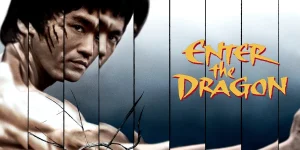
Only about 11–15 minutes of this original concept were filmed before Bruce Lee left the project to make Enter the Dragon and The Way of the Dragon. After his death, the project was radically altered.
The Reconstructed Storyline
The released 1978 version introduces Billy Lo, a world-famous martial arts movie star. Billy refuses to cooperate with a powerful criminal syndicate that wants to exploit him. In retaliation, the syndicate orchestrates an assassination attempt.
Billy is shot during a public appearance and is presumed dead. In reality, he survives with the help of his girlfriend Ann Morris and his manager. To protect himself and uncover the syndicate, Billy fakes his own death.
Living in Hiding
Billy undergoes facial reconstruction surgery and lives in secrecy while planning his revenge. During this period, the syndicate tightens its grip on the film industry, using violence and intimidation.
The movie uses body doubles, sunglasses, and cardboard cutouts of Bruce Lee to maintain the illusion that he is present in newly shot scenes. While sometimes unintentionally awkward, these techniques became infamous parts of cinema history.
The Pagoda Sequence
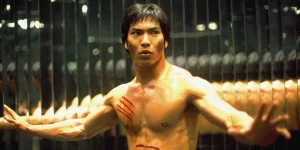
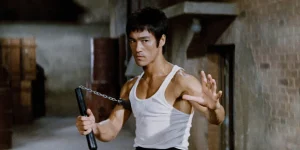
The final act finally incorporates Bruce Lee’s original footage. Billy enters a mysterious pagoda controlled by the syndicate. Each level presents a martial arts challenge:
- A fighter representing traditional kung fu rigidity
- A Filipino escrima expert (Dan Inosanto)
- A towering, silent opponent played by Kareem Abdul-Jabbar
These scenes are the heart of the film and showcase Bruce Lee’s philosophy of “using no way as way.”
Movie Ending
In the climax, Billy reaches the top level of the pagoda and defeats the final guardian. He confronts the syndicate leader, revealing that he was never truly dead. His survival exposes the syndicate’s crimes and leads to their collapse.
Billy reunites with Ann, and justice is served, but the ending carries a strange emotional tone. The film closes with real footage from Bruce Lee’s actual funeral, blurring the line between fiction and reality. This moment is haunting and controversial, reminding viewers that the man they just watched on screen was truly gone.
The ending leaves audiences with mixed emotions: triumph for the character, and grief for the legend.
Are There Post-Credits Scenes?
No. Game of Death does not include any post-credits or mid-credits scenes. The film ends definitively with its closing montage and funeral footage.
Type of Movie
Game of Death is a martial arts action film with crime-drama elements. It also functions unintentionally as a meta-cinematic tribute, shaped heavily by real-world tragedy rather than pure narrative design.
Cast
- Bruce Lee as Billy Lo
- Gig Young as Jim Marshall
- Colleen Camp as Ann Morris
- Dean Jagger as Dr. Land
- Hugh O’Brian as Steiner
- Kareem Abdul-Jabbar as Hakim
- Dan Inosanto as Pasqual
Film Music and Composer
The score was composed by John Barry, best known for his James Bond soundtracks. His music adds unexpected elegance and melancholy, contrasting with the film’s rough reconstruction and emphasizing its tragic undertones.
Filming Locations
- Hong Kong – Used for exterior and action scenes, grounding the film in Bruce Lee’s cinematic home.
- Los Angeles, California – Studio scenes and reconstructed footage were shot here.
The pagoda interiors were largely built on sound stages. Their symbolic importance outweighs their physical realism, representing philosophical progression rather than literal geography.
Awards and Nominations
Game of Death did not receive major awards. However, it has gained cult status and historical recognition due to its association with Bruce Lee and its influence on martial arts cinema.
Behind the Scenes Insights
- Bruce Lee filmed the pagoda fight scenes in 1972, years before the movie’s release.
- Robert Clouse reused footage originally intended for Lee’s vision, altering the narrative entirely.
- Stand-ins were used extensively, sometimes wearing sunglasses or filmed from behind.
- Kareem Abdul-Jabbar was personally invited by Bruce Lee, whom he had trained with.
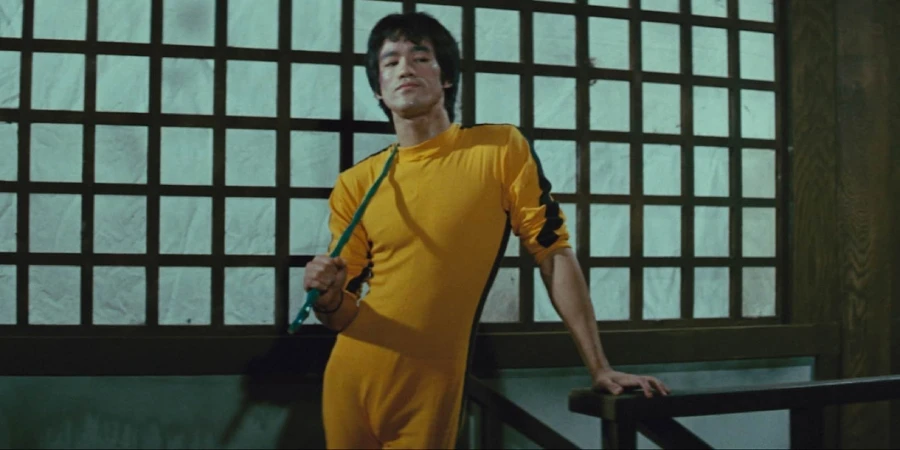
- The yellow-and-black jumpsuit became an unexpected cultural icon.
Inspirations and References
- Bruce Lee’s martial arts philosophy
- Zen Buddhism and Taoist ideas about adaptability
- Traditional kung fu hierarchy systems
- The film later inspired works like Kill Bill and The Raid
Alternate Endings and Deleted Scenes
- Bruce Lee’s original ending would have focused entirely on philosophical victory, not criminal revenge.
- Entire character arcs were invented posthumously to create a coherent plot.
- Some of Lee’s dialogue was removed to avoid contradicting the new storyline.
Book Adaptations and Differences
The movie was not adapted from a book, but Bruce Lee’s notes and writings reveal a vastly different vision. The film version abandons much of the introspection and replaces it with a conventional revenge narrative.
Memorable Scenes and Quotes
Key Scenes
- The mirror fight symbolism during Billy’s recovery
- The pagoda ascent sequence
- The final confrontation with Kareem Abdul-Jabbar
Iconic Quotes
- “Absorb what is useful, discard what is useless.”
- “Man, the living creature, the creating individual, is always more important than any established style.”
Easter Eggs and Hidden Details
- Billy’s jumpsuit inspired Uma Thurman’s outfit in Kill Bill: Vol. 1
- The pagoda concept influenced multiple video games and anime
- Lee removes his opponent’s sunglasses, symbolizing exposure of false strength
Trivia
- Only about 15 minutes of Bruce Lee footage is authentic
- The film was released five years after Lee’s death
- Kareem Abdul-Jabbar had to stoop to avoid hitting the set ceiling
- Bruce Lee choreographed the pagoda fights himself
Why Watch?
You should watch Game of Death not for its narrative perfection, but for its historical importance. It offers rare insight into Bruce Lee’s unfinished ideas and stands as both a tribute and a cautionary tale about posthumous filmmaking.
Director’s Other Works
- Enter the Dragon (1973)
- Black Belt Jones (1974)
- Golden Needles (1974)
- Force: Five (1981)