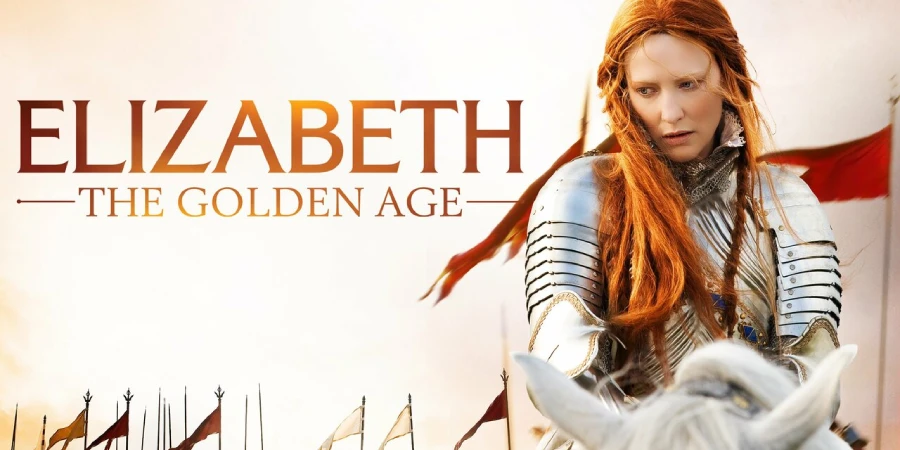

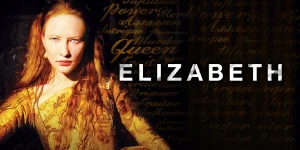
Elizabeth: The Golden Age (2007), directed by Shekhar Kapur, is a sweeping historical drama and the sequel to Elizabeth (1998). The film dives into political intrigue, religious conflict, and personal vulnerability, centering on Queen Elizabeth I as she faces the threat of the Spanish Armada and the complexities of her private life.
Detailed Summary
The Turbulent Opening: Europe on Edge
The film begins with Catholic Spain, led by King Philip II, preparing to wage war against Protestant England. Elizabeth I (Cate Blanchett) governs a nation simmering with religious tension. Despite attempts at diplomacy, threats loom everywhere, especially from Catholic plots to dethrone her. These early scenes establish the central conflict: the survival of England under Elizabeth’s rule.
Raleigh’s Arrival and Elizabeth’s Fascination
Enter Sir Walter Raleigh (Clive Owen), a confident explorer who brings tales of the New World and an irresistible charisma. Elizabeth is captivated by him—his freedom, his boldness, and the life he represents. Their chemistry is immediate, though unspoken. Raleigh’s presence also complicates the palace dynamics, especially when he forms a connection with Elizabeth’s favored lady-in-waiting, Bess Throckmorton (Abbie Cornish).
Conspiracies and Betrayals
Catholic conspirators begin plotting Elizabeth’s death, with Mary, Queen of Scots (Samantha Morton), at the center of the intrigue. Elizabeth faces the painful truth that executing Mary may be necessary for her own survival. Her internal struggle with mercy versus political necessity reveals her humanity, contrasting sharply with her image as the untouchable Virgin Queen.
The Execution of Mary, Queen of Scots
One of the film’s most dramatic sequences shows Mary accepting her death with dignity. Elizabeth, though politically unyielding, is emotionally shaken. The execution intensifies Spain’s resolve: the Armada is launched.
The Eve of War
As Spain prepares its massive naval attack, England is forced to mobilize quickly. Elizabeth undergoes a transformation from conflicted monarch to iconic leader. She dons armor, mounts a horse, and rallies her troops with a legendary speech, becoming the symbol of England’s resolve.

Movie Ending
The film’s final act focuses on the epic conflict between England and Spain. The Spanish Armada—massive, intimidating, and seen as divinely ordained—approaches England’s shores. Meanwhile, Elizabeth watches with stoic determination, embodying both fear and fierce resolve.
Raleigh leads a fleet of smaller, more agile English ships. With superior maneuverability and the strategic use of fire ships, the English set parts of the Armada ablaze. Storms contribute to Spain’s defeat, making it clear that a combination of strategy and fate has protected England.
The ending draws emotional strength from Elizabeth’s reaction after the victory. She experiences a sense of liberation from the constant mortal threats that have defined her reign. Yet she also confronts personal loss: Raleigh and Bess have married and had a child, meaning the life Elizabeth may have wished for—love, family, ordinary happiness—is forever out of reach. She forgives them, but the moment underscores the tragedy of her position.
The film closes by reinforcing her transformation into the mythic Virgin Queen, a ruler who sacrifices personal fulfillment for the survival and strength of her nation. This ending captures the duality of her character: triumphant and untouchable, yet profoundly alone.
Are There Post-Credits Scenes?
No, Elizabeth: The Golden Age does not include any post-credits scenes.
Type of Movie
This is a historical drama blended with political thriller elements, emphasizing both royal power struggles and personal vulnerability within the Tudor court.
Cast
- Cate Blanchett as Queen Elizabeth I
- Clive Owen as Sir Walter Raleigh
- Geoffrey Rush as Sir Francis Walsingham
- Abbie Cornish as Bess Throckmorton
- Samantha Morton as Mary, Queen of Scots
- Jordi Mollà as King Philip II
- Eddie Redmayne as Anthony Babington
Film Music and Composer
The soundtrack is composed by A.R. Rahman and Craig Armstrong. The score blends orchestral intensity with spiritual choral elements, enhancing the film’s sweeping emotional and political drama.


Filming Locations
The film was shot across various UK locations, including:
- St. John’s College, Cambridge – standing in for royal interiors and academic atmospheres
- Durham Cathedral – used for court scenes due to its grand architecture
- Shepperton Studios – major sets and interiors
- Ely Cathedral – recreated as parts of Elizabeth’s court
These locations were chosen for their historical architecture, lending authentic Tudor atmosphere to the film.
Awards and Nominations
The film received:
- Academy Award win for Best Costume Design
- BAFTA nominations including Best Costume Design
- Golden Globe nomination for Cate Blanchett (Best Actress)
Behind the Scenes Insights
- Cate Blanchett reprised her role nearly a decade after the first film, bringing deeper maturity to Elizabeth.
- The production created extensively researched and heavily layered costumes to reflect Elizabeth’s evolving psychological state.
- Clive Owen trained with sailors to portray Raleigh’s nautical expertise convincingly.
- Director Shekhar Kapur encouraged improvisation during emotional scenes to achieve a more natural historical intimacy.
- Many scenes were shot with real torches and candlelight to maintain period authenticity.
Inspirations and References
- The film is loosely based on historical events surrounding Elizabeth I’s reign.
- Raleigh’s character draws from his letters and journals, though the romantic dynamics with Elizabeth are dramatized.
- The visual design takes cues from Elizabethan portraits, particularly those emphasizing power and divine authority.
Alternate Endings and Deleted Scenes
While no drastically different ending was produced, several scenes were trimmed, including:
- Early conversations between Elizabeth and Bess developing their friendship more fully.
- Additional Armada strategy discussions.
- A short epilogue reinforcing England’s political aftermath post-victory.
Book Adaptations and Differences
The film is not based on a single book, but on historical records and biographies of Elizabeth I. Differences from history include:
- Raleigh and Bess’s romance is heightened for dramatic effect.
- Elizabeth’s battlefield imagery is symbolic; she did not physically lead troops into war.
- Dialogue between Elizabeth and Mary is fictionalized since they never met in person.

Memorable Scenes and Quotes
Key Scenes
- Elizabeth’s fiery confrontation with her advisors over Mary’s execution.
- The breathtaking moment Elizabeth appears in silver armor before her troops.
- Mary, Queen of Scots’ final walk to the execution block.
- Raleigh navigating through fiery chaos during the Armada battle.
- Elizabeth forgiving Bess and Raleigh.
Iconic Quotes
- “I have a hurricane in me.”
- “I am my father’s daughter. I am not afraid of anything.”
- “I am the mother to my people.”
Easter Eggs and Hidden Details
- Elizabeth’s armor design references her famous Tilbury speech portrait.
- The film subtly mirrors imagery from the first Elizabeth film, creating visual continuity.
- Raleigh’s ship, The Golden Hind, is depicted using period-accurate details.
- Philip II is often shown in dim, candlelit settings to emphasize Spain’s rigid religious atmosphere.
Trivia
- Cate Blanchett’s performance earned widespread acclaim, solidifying her association with the iconic queen.
- Some costumes weighed over 30 kilograms due to layers of brocade and metal.
- The film used over 1,000 candles in some scenes to achieve natural lighting.
Why Watch?
Watch this film if you enjoy character-driven historical dramas with grand visuals, political tension, and powerful performances. Cate Blanchett delivers a portrayal of Elizabeth that is both majestic and deeply human, making the film compelling even for those unfamiliar with Tudor history.
Director’s Other Movies
- Elizabeth (1998)
- The Four Feathers (2002)
- Bandit Queen (1994)
Recommended Films for Fans
- Elizabeth (1998) – the first installment
- The Other Boleyn Girl (2008)
- Mary Queen of Scots (2018)
- A Man for All Seasons (1966)
- The Duchess (2008)