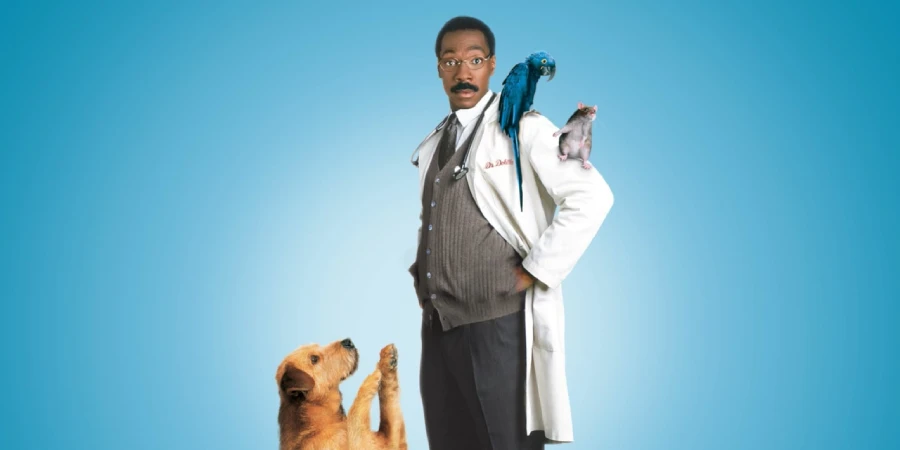

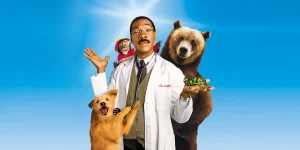
Dr. Dolittle (1998), directed by Betty Thomas, is a modern reimagining of the classic character who can communicate with animals. Blending family-friendly comedy with heartfelt moments, the film became a major hit and launched a franchise.
Detailed Summary
Doctor Dolittle’s Forgotten Gift
As a child, John Dolittle discovers he can talk to animals, but after causing panic in his family, he suppresses this ability and grows up to become a successful doctor and surgeon. The film cleverly uses this childhood trauma to set up the internal conflict he faces later.
The Return of the Ability
One night, Dolittle accidentally hits a dog with his car, and when the dog talks back, Dolittle’s childhood gift resurfaces. Suddenly, animals everywhere begin speaking to him. His family and colleagues believe he’s having a breakdown, leading to comedic yet stressful situations for him.
Chaos Builds at Home and Work
John tries to manage his medical job, his fiancée Lisa, his daughters, and now a zoo-sized roster of animals seeking medical help. The talking animals’ personalities—from sarcastic rats to a neurotic tiger—bring escalating chaos. This is where the film leans hardest into slapstick comedy, but it also introduces the emotional core involving the tiger, Jake.
The Sick Tiger Jake
Jake, a depressed circus tiger, becomes central to the story. Dolittle is convinced Jake has a treatable medical condition, not psychological issues, but nobody believes him. This subplot becomes the emotional backbone of the film, turning Dolittle’s “curse” into a calling.
Movie Ending
The climax focuses on Dolittle performing emergency surgery on Jake, risking his medical license and reputation. Authorities and colleagues try to intervene, believing Dolittle has lost his mind.
Dolittle, now fully accepting of his ability, operates successfully, saving Jake’s life and proving that his bond with animals is not madness but a gift. His family stands by him, and even his colleagues eventually acknowledge his skills—though not his ability to talk to animals.
In the final scenes, Dolittle fully embraces his role as a doctor for both humans and animals. He walks down the street with animals chatting around him, making it clear he’s found peace between his old life and his extraordinary gift. The ending closes with Dolittle flying with his daughter on the back of a giant parrot, symbolizing freedom and acceptance.
Are There Post-Credits Scenes?
There is no post-credits scene in Dr. Dolittle (1998). The film ends with a final comedic montage over the credits featuring various animal characters talking and joking, but nothing that sets up a sequel.
Type of Movie
The film is a family-friendly fantasy comedy with a blend of heartfelt themes, slapstick humor, and light adventure elements. It’s designed to appeal to both children and adults.
Cast
- Eddie Murphy as Dr. John Dolittle
- Ossie Davis as Archer Dolittle
- Oliver Platt as Dr. Mark Weller
- Peter Boyle as Calloway
- Kristen Wilson as Lisa Dolittle
- Kyla Pratt as Maya Dolittle
- Raven-Symoné as Charisse Dolittle
- Voice cast includes: Norm Macdonald, Chris Rock, Albert Brooks, Garry Shandling, John Leguizamo, and Ellen DeGeneres
Film Music and Composer
The score was composed by Richard Gibbs, featuring light, playful, and whimsical elements to match the film’s comedic tone. The soundtrack also includes popular songs from the late 90s, giving the movie a contemporary feel.
Filming Locations
Dr. Dolittle was filmed primarily in:
- San Francisco, California
- Los Angeles, California
San Francisco’s urban landscapes play a symbolic role: Dolittle’s busy city life contrasts sharply with the chaotic animal world that begins interrupting it. The use of real city streets amplifies the comedy of animals suddenly speaking to him in public spaces.
Awards and Nominations
While not a major awards contender, the movie earned recognition for its technical and comedic achievements:
- Nominated: Best Makeup at the Academy Awards
- Nominated: Several Kids’ Choice and MTV Movie Awards
- Won: BMI Film Music Award (Richard Gibbs)
Behind the Scenes Insights
- Eddie Murphy did many scenes without other actors or animals present, relying entirely on timing and imagination.
- The production used both animatronics and real animals, requiring a large team of animal trainers.
- Director Betty Thomas aimed for a grounded comedic approach, avoiding overly cartoonish behavior despite the absurd premise.
- Some animal voices were recorded late in production, influencing edits and comedic timing.
Inspirations and References
- Loosely inspired by Hugh Lofting’s “Doctor Dolittle” children’s books (1920s).
- The film departs significantly from the whimsical, Victorian-era original stories.
- Also inspired by the 1967 musical film, though the 1998 version modernizes everything and removes musical elements.
Alternate Endings and Deleted Scenes
- A longer version of the “public breakdown” scene existed but was cut for pacing.
- An alternate intro showed Dolittle as a stressed adult before flashing back to childhood, but the final film opted for the childhood opening for clarity.
- Some of Norm Macdonald’s (the dog Lucky) improvised lines were removed for tone or pacing.
Book Adaptations and Differences
Although based on the beloved books:
- The film is set in modern-day America, not early 20th-century England.
- Dolittle does not travel the world or go on grand adventures.
- The focus is more on family comedy than on the fantasy aspects of the books.
- Animals are treated more like sitcom characters than mythical or exotic creatures.
Memorable Scenes and Quotes
Key Scenes
- Dolittle’s first conversation with Lucky the dog—you can practically feel his sanity unraveling.
- The chaotic animal intervention in his house.
- Dolittle diagnosing Jake, realizing his calling.
- The emergency surgery sequence, where comedy blends into emotional drama.
Iconic Quotes
- “You can talk to animals?”
- “Stop speaking to me in public!”
- “I’m a doctor… I fix things. Even big cats with bigger problems.”
- “If I’m crazy, I’m crazy with a purpose.”
Easter Eggs and Hidden Details
- Several voice actors improvise jokes referencing their own careers (Norm Macdonald especially).
- The fish in Dolittle’s office tank subtly reacts to his conversations—blink and you’ll miss it.
- A background billboard references the original 1967 Doctor Dolittle film.
Trivia
- Eddie Murphy’s performance revived the franchise and led to four sequels/spinoffs.
- Over 250 animals were used during production.
- The film made over $290 million, far exceeding expectations.
- Norm Macdonald’s Lucky became so popular he appeared in all franchise sequels.
Why Watch?
Because it’s a timeless family comedy combining heart, nostalgia, Eddie Murphy’s peak comedic timing, and a surprisingly emotional story underneath its talking-animal chaos. It’s also a comfort movie—light, funny, and endlessly quotable.
Director’s Other Movies
- The Brady Bunch Movie (1995)
- Private Parts (1997)
- 28 Days (2000)
- Alvin and the Chipmunks: The Squeakquel (2009)
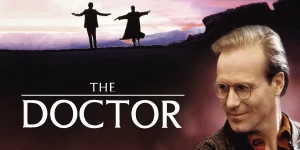
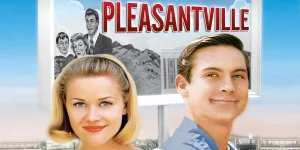
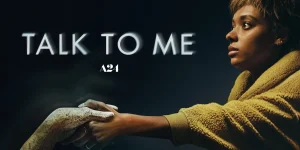
Recommended Films for Fans
- Dr. Dolittle 2 (2001)
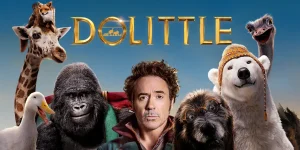
- Dolittle (2020)
- The Nutty Professor (1996)
- Babe (1995)
- Flubber (1997)
- George of the Jungle (1997)
- Zookeeper (2011)