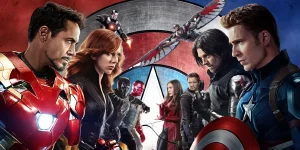

Remember the collective gasp when Tony Stark snapped his fingers in Endgame? That raw emotion, the stakes, the payoff after a decade of storytelling—it felt earned. Fast forward to today, and Marvel’s latest releases barely register a blip. Box office numbers are dropping, fan enthusiasm is waning, and critics are calling it like they see it: why Marvel movies are bad has become one of the most-searched questions among former die-hard fans.
The formula that once printed money now feels exhausted. Instead of groundbreaking cinema, we’re getting assembly-line products that check boxes but forget to tell compelling stories. If you’ve been wondering why Marvel movies are boring lately, you’re not alone. Let’s break down what went wrong—and what could actually save the MCU from itself.
The Formula Has Become a Straitjacket
Marvel’s three-act structure used to be a strength. Now? It’s predictable to the point of tedium.
The Same Story, Different Costumes
Every film follows an identical blueprint: hero doubts themselves, faces colorless villain, quips through action sequences, wins in CGI spectacle. There’s no risk, no surprise. Why the MCU is failing comes down to this simple truth: audiences can predict every beat before it happens.
When Ant-Man and the Wasp: Quantumania landed with a thud, fans pointed to the paint-by-numbers plot. Kang should’ve been terrifying. Instead, he felt like another checkbox villain we’d forget by the credits.
Comedy Kills the Drama
The MCU’s signature humor once balanced tension perfectly. Now it undercuts every serious moment. Character deaths get followed by jokes. Emotional confrontations get interrupted by one-liners.
This constant need to deflate drama makes it impossible to care. If the characters won’t take their situation seriously, why should we?

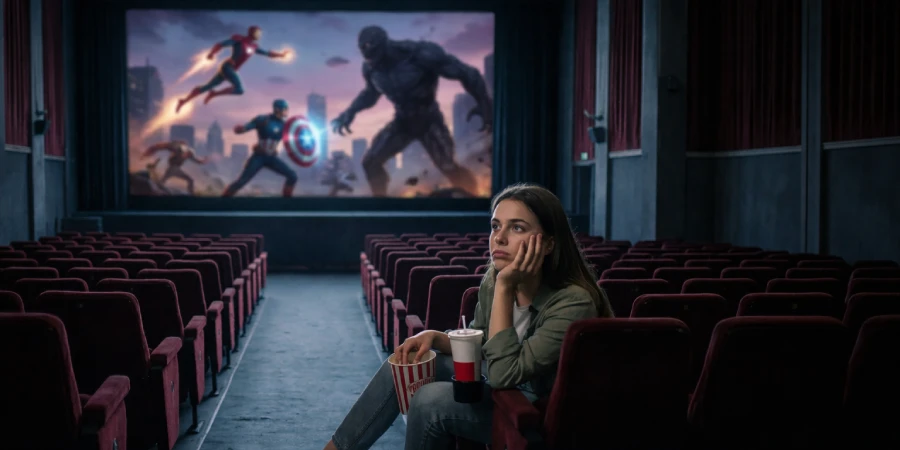
Oversaturation Is Drowning the Brand
Disney+ was supposed to expand the MCU. Instead, it’s diluting it.
Too Much Content, Not Enough Quality
Between movies and streaming shows, Marvel expects fans to consume 40+ hours of content per year just to follow the main storyline. Secret Invasion, She-Hulk, The Marvels—each felt rushed, underdeveloped, and forgettable.
This is exactly why Marvel movies are flopping: viewer fatigue is real. When everything is “essential viewing,” nothing feels special.
The Multiverse Excuse
The multiverse concept should’ve opened infinite storytelling possibilities. Instead, it became a crutch. Bad writing? Blame the multiverse. Character inconsistencies? Multiverse. Resurrect dead heroes? You guessed it.
This narrative Band-Aid removes all stakes. If anything can be undone or explained away with multiversal magic, why invest emotionally?
The VFX Crisis Is Showing
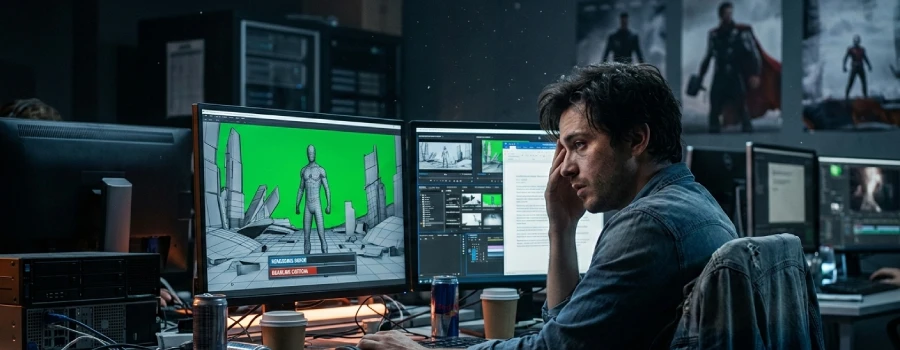
Those jaw-dropping visual effects that defined early Marvel films? They’re increasingly janky.
Rushed Production, Sloppy Results
VFX artists have spoken out about impossible deadlines and constant revisions. The result shows on screen—Thor: Love and Thunder and Ant-Man 3 featured effects that looked unfinished. CGI characters lack weight, green screen backgrounds look flat, and action sequences blur into incomprehensible messes.
When audiences can spot cheap-looking effects, the magic breaks. And that’s part of why MCU is bad for many viewers now.
Characters We Don’t Care About
The Avengers worked because we spent years growing attached to these heroes. The new generation? They’re getting minimal development before being thrust into team-ups.
Rushed Introductions
We got six solo films before the first Avengers assembled. Now characters debut in ensemble projects with backstories delivered through exposition dumps. There’s no time to build connection.
The Marvels suffered precisely from this problem—expecting audiences to care about characters they barely knew from streaming shows many people skipped.
Everyone’s a Wise-Cracking Hero Now
Every new character has the same personality: sarcastic, quippy, emotionally guarded but secretly caring. Where’s the variety? Where’s the character who’s genuinely naive, or overly serious, or socially awkward in ways that aren’t played for laughs?
This homogenization makes everyone forgettable.
What Could Actually Fix the MCU
The good news? Marvel built this empire through great storytelling—they can do it again. But it requires fundamental changes.
Prioritize Quality Over Quantity
Cut the release schedule in half. Give creative teams time to develop scripts properly, polish visual effects, and craft stories worth telling. Two excellent projects per year beat six mediocre ones.
Embrace Creative Risk
Let directors bring genuine vision. Guardians of the Galaxy Vol. 3 succeeded because James Gunn told a personal, emotional story without constant studio interference. More of that, please.
Make Consequences Matter Again
Stop undercutting emotional moments. Let deaths stay permanent. Allow characters to fail with real repercussions. Give audiences reasons to care about the stakes.
Develop Characters Before Teaming Them Up
Return to the Phase One model: establish heroes in solo films before throwing them into ensembles. Let us fall in love with these characters individually first.
The Bottom Line on Why Marvel Movies Are Boring
The MCU isn’t beyond saving, but continuing the current trajectory means continued decline. Fans aren’t asking for perfection—they’re asking for effort, creativity, and respect for their intelligence and time.
Marvel revolutionized blockbuster filmmaking once before. The pieces are still there: talented actors, source material gold, and a fanbase desperate to fall back in love. But nostalgia and brand loyalty only carry you so far.
The question isn’t whether Marvel can fix this—it’s whether they’ll choose to before audiences move on entirely.