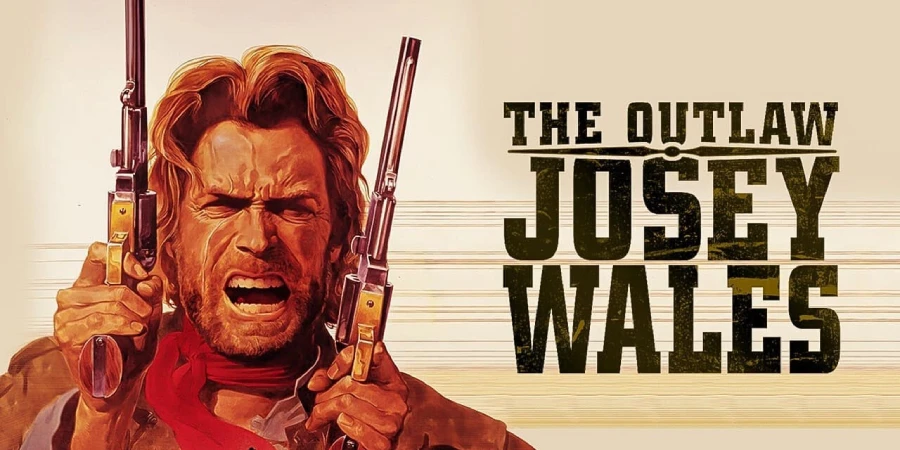

The Outlaw Josey Wales (1976), directed by Clint Eastwood, stands as one of the most influential Western films ever made. Adapted from Forrest Carter’s novel Gone to Texas, the movie blends revenge, redemption, frontier survival, and reluctant heroism.
Detailed Summary
The Tragedy That Shapes Josey Wales
The film opens with a brutal scene: Josey Wales, a quiet Missouri farmer, watches his wife and young son murdered by Unionist guerrillas known as the Redlegs, led by the ruthless Captain Terrill. This moment turns Josey into a hardened, grief-driven gunslinger. His transformation is central to the emotional weight of the story.
Joining (and Leaving) the Guerrilla Fighters
Fueled by rage, Josey joins a Confederate guerrilla band. After the Civil War ends, most of Josey’s comrades surrender under promise of amnesty—only to be massacred by Terrill’s men. Josey refuses the surrender and becomes a fugitive, one of the last true holdouts of the Confederacy.
Josey’s Escape and the Misfit Companions
While fleeing Union forces and bounty hunters, Josey accidentally accumulates a band of outsiders who see him as a protector. These include:
- Lone Watie, a humorous, weary Cherokee man
- Little Moonlight, a silent young Navajo woman
- Sarah and Laura Turner, survivors of a Comanche raid
Josey gradually becomes a leader despite wanting solitude. This shift from vengeance to community is one of the film’s most important themes.
Conflict with the Comanche
Josey negotiates a tense but respectful peace with Ten Bears, a Comanche chief. This scene underscores the film’s focus on dignity, honor, and coexistence rather than blind violence—an unusual stance for a 1970s Western.
Movie Ending
The climax arrives when Captain Terrill finally tracks down Josey in the small ranch community he has built with his newfound companions.
Terrill’s Redlegs attack, leading to a fierce gunfight. Josey systematically eliminates the soldiers who destroyed his family. The emotional peak comes when he confronts Terrill directly. Terrill, terrified and cornered, fires wildly but misses; Josey guns him down without hesitation. This moment completes Josey’s revenge arc but more importantly frees him emotionally from the ghosts that have followed him since the opening scene.
Afterward, Union authorities arrive—led by Fletcher, a former Confederate officer who once tried to help Josey. In a symbolic gesture, Fletcher tells the soldiers that “Josey Wales died,” giving him an unofficial pardon. Josey walks away alive, free to build a new life with the people he has protected.
It’s a quietly powerful ending: a man who became a legend gets the chance to become human again.
Are There Post-Credits Scenes?
No. Like most films of its era—especially Westerns—The Outlaw Josey Wales has no post-credits scene.
Type of Movie
A classic American Western blending revenge drama and frontier adventure with themes of reconciliation and reluctant heroism.
Cast
- Clint Eastwood as Josey Wales
- Chief Dan George as Lone Watie
- Sondra Locke as Laura Lee
- Bill McKinney as Captain Terrill
- John Vernon as Fletcher
- Paula Trueman as Grandma Sarah
- Geraldine Keams as Little Moonlight
Film Music and Composer
The score was composed by Jerry Fielding, known for his atmospheric, emotionally rich Western compositions. Fielding uses sparse, mournful melodies to reinforce Josey’s grief while still giving heroic notes to moments of triumph.
Filming Locations
Major shooting locations included:
- Utah (Kanab, Cedar City) – used for rugged frontier vistas symbolizing both danger and possibility
- Arizona (Page, Lake Powell) – provided the dramatic, desolate landscapes central to Josey’s journey
- California (Mono Lake, Oroville) – used for the homestead and ranch sequences
These landscapes contribute heavily to the film’s tone: harsh lands suitable for a harsh man trying to rediscover peace.
Awards and Nominations
Though not a major awards darling, the film earned strong critical praise over time and is now considered one of Eastwood’s defining works.
Notable recognition includes:
- National Film Registry selection (1996) for cultural, historical, and aesthetic significance.
Behind the Scenes Insights
- Clint Eastwood took over directing after conflicts with original director Philip Kaufman; this led to a Directors Guild rule (“The Eastwood Rule”) restricting such replacements in the future.
- Chief Dan George’s humorous delivery was partly due to memory difficulties, causing him to paraphrase lines—ironically making the scenes more charming.
- Sondra Locke’s performance began her long creative partnership with Eastwood.
- Eastwood insisted on realistic gun handling and practical effects, which gave the shoot-outs a gritty authenticity.
- The cast faced intense heat and dust storms during location shooting, sometimes halting production.
Inspirations and References
- Based on Forrest Carter’s novel Gone to Texas.
- Themes of exile and reconstruction reflect post-Civil War tensions in American history.
- Eastwood drew inspiration from earlier revisionist Westerns such as The Searchers and High Plains Drifter (his own earlier film), but he leaned more on emotional realism than mythic symbolism.
Alternate Endings and Deleted Scenes
No alternate ending was ever filmed, and deleted scenes are minimal. However, early drafts included:
- A longer sequence of Josey living as a farmer before the war
- More scenes showing Laura Lee’s family before their deaths
These were cut to keep the pacing tight and maintain Josey’s storyline as the central focus.
Book Adaptations and Differences
The movie is based on Gone to Texas, but several differences stand out:
- The book offers more graphic violence and harsher depictions of guerrilla warfare.
- Josey is more verbose and reflective in the novel; Eastwood portrayed him as a quieter, more stoic figure.
- The novel expands the roles of the Native American characters, giving additional cultural detail.
Memorable Scenes and Quotes
Key Scenes
- The massacre of Josey’s family (emotional catalyst of the story).
- The Union ambush during the “amnesty” surrender.
- Josey rescuing the Turners from marauders.
- The peace negotiation between Josey and Ten Bears—one of the most philosophical scenes in Western cinema.
- The final showdown with Captain Terrill.
Iconic Quotes
- “Dyin’ ain’t much of a livin’, boy.”
- “Are you gonna pull those pistols or whistle Dixie?”
- “I reckon it’s time to be movin’ on.”
- “We all got it coming, kid.” (Echoing the film’s fatalistic tone.)
Easter Eggs and Hidden Details
- Josey’s two pistols reflect Eastwood’s preference for historically accurate weaponry.
- The film subtly mirrors Eastwood’s earlier roles but presents him as more empathetic and communal.
- Ten Bears’ dialogue includes phrases adapted from actual Comanche oral histories.
- Several scenes visually echo The Searchers, including door-framed compositions symbolizing exile.
Trivia
- Chief Dan George was 77 during filming, making action-heavy scenes especially challenging.
- Clint Eastwood had just finished The Eiger Sanction and directed the films back-to-back.
- The film became a huge hit in Europe, especially in France.
- Sondra Locke’s character was originally younger in the script, but her dynamic with Eastwood shifted the tone of their scenes.
Why Watch?
Because it’s one of the finest Westerns ever made—a thoughtful blend of action, moral complexity, and character-driven storytelling. Its themes of trauma, rebuilding, and found family still feel modern. And above all, it features one of Eastwood’s most compelling performances.
Director’s Other Works
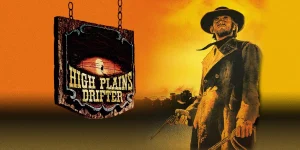
- High Plains Drifter (1973)
- Play Misty for Me (1971)
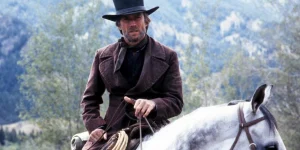
- Pale Rider (1985)
- Unforgiven (1992)
- Bird (1988)
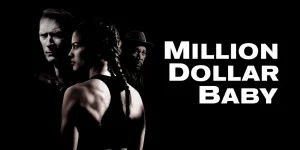
- Million Dollar Baby (2004)
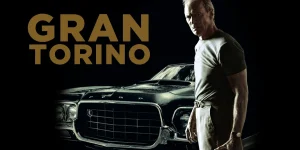
- Gran Torino (2008)
Recommended Films for Fans
- High Plains Drifter (1973)
- Unforgiven (1992)
- Jeremiah Johnson (1972)
- The Searchers (1956)
- Open Range (2003)