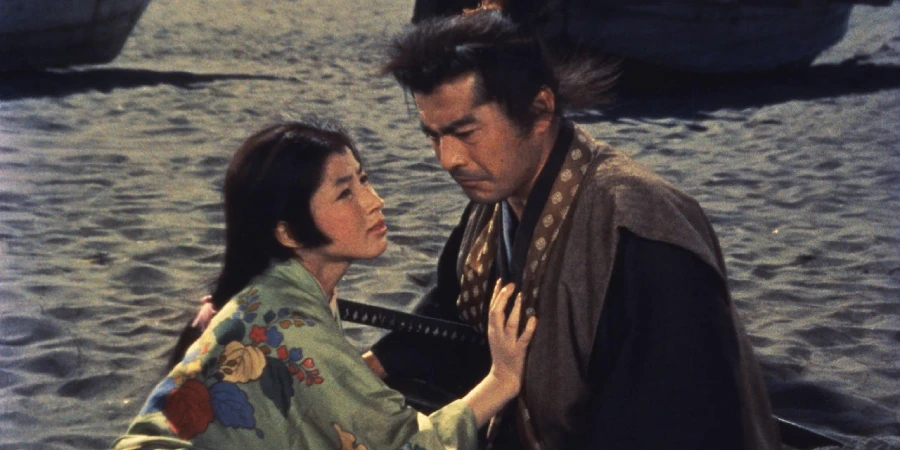

The journey of Japan’s most legendary swordsman culminates not with a triumphant clang of steel, but with a calculated strike on a desolate beach. Samurai III: Duel at Ganryu Island concludes the epic tale of Miyamoto Musashi; however, his greatest battle is ultimately against his own inner demons. Consequently, the film delivers a powerful meditation on the true meaning of victory and the solitary path of the warrior.
Detailed Summary
A Peaceful Interlude
Following his years of wandering and dueling, Miyamoto Musashi (Toshiro Mifune) attempts to settle into a quiet life. He takes up residence in a remote village, where he renounces violence, begins farming, and even tries his hand at carving sculptures. However, this peace is fragile. The beautiful but vengeful Akemi tracks him down, still obsessed with him after he rejected her in the previous film. In addition, she attempts to seduce him, but Musashi, now committed to a spiritual path, firmly turns her away. Her scorned pride, as a result, sets in motion the events that will shatter his newfound tranquility.
The Challenge from Sasaki Kojiro
Meanwhile, the ambitious and arrogant master swordsman Sasaki Kojiro (Koji Tsuruta) has risen to prominence. He has become the official sword instructor for a powerful lord. More than anything, Kojiro craves a duel with Musashi to solidify his reputation as Japan’s greatest warrior. Using his political influence, Kojiro pressures the shogunate to sanction an official duel. Consequently, notices are posted across the land, publicly challenging Musashi and leaving him no honorable way to refuse. The trap is set, forcing Musashi to choose between his new life and his warrior’s code.
The Weight of Waiting
Throughout this time, Otsu (Kaoru Yachigusa), the woman who truly loves Musashi, continues to wait for him. Along with a young apprentice named Iori, she patiently follows his trail, always one step behind. Otsu represents the domestic peace and love that Musashi both desires and feels unworthy of. Her journey, therefore, runs parallel to Musashi’s, highlighting the personal sacrifices his quest demands. She is a constant, quiet presence, embodying the life he has given up for the sword.
The Duel on Ganryu Island
Musashi ultimately accepts the duel, but on his own terms. He cleverly sets the location for the remote Ganryu Island and agrees to a specific time. On the day of the duel, however, Musashi deliberately arrives late, a brilliant psychological tactic to unnerve the proud Kojiro. While on the boat to the island, he famously carves a wooden sword (a bokken) from a spare oar. This act shows his belief that the spirit of the swordsman, not the quality of the blade, determines victory. Therefore, the stage is set for a legendary confrontation.
Movie Ending
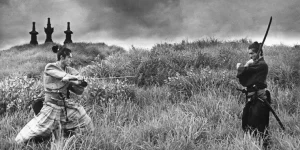
The film’s climax is the legendary duel. Sasaki Kojiro, agitated and furious at Musashi’s tardiness, stands on the beach with his signature longsword, the “Drying Pole.” In contrast, Musashi arrives calm and focused, wading through the surf with his oversized wooden sword. The fight is brutally short. Kojiro, blinded by rage, makes the first move. Musashi, using the sun to his advantage and exploiting Kojiro’s psychological state, dodges the attack and lands a single, fatal blow to Kojiro’s head.
However, there is no celebration in victory. Musashi looks down at his fallen rival with profound sadness, realizing the ultimate futility of his violent path. He has killed another great man and gained nothing. When Otsu arrives on the island to finally be with him, Musashi gently apologizes and walks away. He explains that while he may have won, he is not yet worthy of her love. Ultimately, he chooses to continue his lonely journey, no longer as a duelist seeking fame, but as a man seeking true enlightenment beyond the sword.
Are There Post-Credits Scenes?
No, there are no post-credits scenes in Samurai III: Duel at Ganryu Island. The film concludes definitively with Musashi’s departure. As was standard practice for films made during this era, the story ends completely before the credits roll.
Type of Movie
Samurai III: Duel at Ganryu Island is a Japanese historical epic, specifically within the jidaigeki (period drama) and chanbara (sword-fighting) genres. The film masterfully balances spectacular action sequences with deep philosophical introspection. Moreover, its tone is largely somber and contemplative, focusing on the spiritual and emotional cost of Musashi’s quest for perfection. It is as much a character drama as it is an action film.
Cast
- Toshiro Mifune – Miyamoto Musashi
- Koji Tsuruta – Sasaki Kojiro
- Kaoru Yachigusa – Otsu
- Michiko Saga – Akemi
- Takashi Shimura – Sado Nagaoka
- Daisuke Katō – Toji Gion
Film Music and Composer
The powerful and evocative score for the entire Samurai Trilogy was composed by Ikuma Dan. For this final installment, Dan’s music underscores the film’s shift from epic adventure to solemn introspection. The score notably avoids triumphant fanfares during the final duel. Instead, it uses sparse, tense arrangements to build psychological dread. Consequently, the music highlights Musashi’s inner conflict and the tragic nature of the confrontation, making it an essential part of the film’s emotional weight.
Filming Locations
Director Hiroshi Inagaki chose authentic and visually stunning locations throughout Japan to enhance the trilogy’s epic scale. The most critical location in this film is, of course, Ganryu Island. The climactic duel was shot on a coastal location that perfectly mimicked the historical descriptions of the desolate island. The stark, wide-open beach and the crashing waves serve as a metaphorical stage, stripping the duel of all worldly distractions and reducing it to a pure contest of spirit between two men.
Awards and Nominations
Samurai III: Duel at Ganryu Island was nominated for the Academy Award for Best Foreign Language Film in 1957. While it did not win, the nomination itself was a significant honor. It is important to note, however, that the first film in the series, Samurai I: Musashi Miyamoto, won an Honorary Academy Award two years prior, which helped pave the way for the recognition of this final chapter.
Behind the Scenes Insights
- Star Toshiro Mifune fully immersed himself in the role, studying swordsmanship and historical texts to accurately portray Musashi’s physical and spiritual evolution.
- The film was shot in Eastmancolor, a relatively new color process at the time. This allowed director Hiroshi Inagaki to create a vibrant, painterly visual style that stands in beautiful contrast to the black-and-white samurai films of Akira Kurosawa.
- The final duel, though short on screen, was meticulously choreographed over several days. The goal was to capture not just the physical action but also the intense psychological battle between the two swordsmen.
- Inagaki made the conscious choice to have Musashi use a wooden bokken against Kojiro’s real blade. This was a key detail from the original novel and historical accounts, emphasizing that Musashi’s victory came from superior strategy and spirit, not superior weaponry.
Inspirations and References
The film is based on the life of the real historical figure Miyamoto Musashi (c. 1584–1645), a swordsman, philosopher, and author. His legendary duel with Sasaki Kojirō on Ganryu Island in 1612 is one of the most famous tales in Japanese history. Moreover, Musashi’s own influential text on strategy and philosophy, Go Rin No Sho (The Book of Five Rings), informs the character’s spiritual journey in the film, particularly his search for a deeper meaning beyond simple combat.
Alternate Endings and Deleted Scenes
There are no known official alternate endings or significantly different versions of Samurai III: Duel at Ganryu Island. Director Hiroshi Inagaki’s trilogy was a massive, meticulously planned production, and the final cut of the third film aligns closely with the intended conclusion of his adaptation. The ending, where Musashi walks away from Otsu, is central to the film’s theme and consistent with the tone of the source material.
Book Adaptations and Differences
The film is a direct adaptation of Eiji Yoshikawa’s epic 1935 novel, Musashi. While the trilogy is remarkably faithful to the spirit of the book, it necessarily condenses the massive narrative. For instance, the book provides a much more detailed backstory for Sasaki Kojiro, making him a more complex and sympathetic rival. In addition, many side characters and subplots from the novel are either streamlined or omitted entirely to maintain a tight focus on Musashi’s journey, his relationship with Otsu, and his rivalry with Kojiro. The film captures the key events, but the novel offers a vastly deeper exploration of the era and its characters.
Memorable Scenes and Quotes
Key Scenes
- The Duel on Ganryu Island: The iconic final battle. Its brevity and psychological intensity make it one of the most famous showdowns in cinema history.
- Carving the Oar: On the boat to the duel, Musashi calmly carves a wooden sword from a spare oar, showing his complete confidence and detachment from conventional weapons.
- Rejecting Akemi: Musashi’s firm but gentle refusal of Akemi in the village is a pivotal moment that demonstrates his profound spiritual growth and commitment to a new path.
Iconic Quotes
- Sasaki Kojiro: “Swords are to kill men, not to play with.”
- Miyamoto Musashi: (To Otsu, at the end) “I’m not through yet. I’m not a winner… I’ve won, but I’m not a winner.”
- Narrator: “Musashi felt it was not Kojiro he had defeated… but himself of yesterday.”
Easter Eggs and Hidden Details
- The Symbolism of Water: Water is a recurring visual motif. From Musashi’s training under waterfalls in the first film to arriving at Ganryu Island from the sea, it often symbolizes purification, change, and the flow of life.
- Musashi’s Sculptures: The intricately carved statues Musashi makes during his peaceful period are not just a hobby. They are representations of his attempt to channel his focus and skill into creation rather than destruction.
- The Setting Sun: During the duel, Musashi positions himself so that the setting sun is in Kojiro’s eyes. This is a subtle detail taken directly from historical accounts of the fight, showcasing his tactical brilliance.
Trivia
- The real duel between Musashi and Kojiro is a subject of historical debate, but most accounts agree that Musashi arrived late and used a wooden sword to win.
- Toshiro Mifune would play the role of a wandering samurai or ronin many times in his career, but Miyamoto Musashi remains one of his most defining and internationally recognized roles.
- The trilogy was instrumental in popularizing the chanbara genre in the West, introducing many international viewers to the world of the samurai.
- Actor Takashi Shimura, who appears here in a smaller role, was a frequent collaborator with Akira Kurosawa and the lead of the classic film Ikiru.
Why Watch?
This film is a masterful conclusion to one of cinema’s greatest trilogies. It offers both thrilling action and profound philosophy, proving that a story about swords can also be a deep exploration of the human soul. A true classic.
Director’s Other Movies
- Samurai I: Musashi Miyamoto (1954)
- Samurai II: Duel at Ichijoji Temple (1955)
- The Rickshaw Man (1958)
- The Three Treasures (1959)
- Chushingura: Hana no Maki, Yuki no Maki (1962)
Recommended Films for Fans
- Seven Samurai (1954)
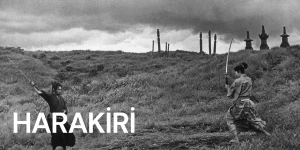
- Harakiri (1962)
- Yojimbo (1961)
- The Sword of Doom (1966)
- 13 Assassins (2010)