
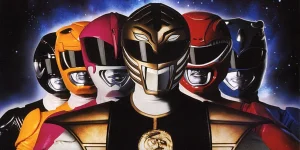
The 2017 reboot of Power Rangers attempts to reintroduce the iconic ‘90s franchise to a modern audience with darker tones, character-driven drama, and a grounded sci-fi approach. Directed by Dean Israelite, this version trades campy monster-of-the-week energy for teen angst, trauma, and slow-burn hero development. Whether that works or not? Well… that depends on how much you enjoy your superheroes with emotional baggage.
Detailed Summary
The Prologue: Zordon vs. Rita – 65 Million Years Ago
The film opens in prehistoric Earth, where we see the original Power Rangers team led by Zordon battling the villainous Rita Repulsa. Rita betrays the team and steals the Zeo Crystal, an artifact capable of wiping out life on Earth. Zordon crash-lands on Earth, entrusting the Power Coins to destiny before dying in the impact that eventually wipes out the dinosaurs. Yes, that extinction event? Not a meteor. Ranger drama.
Meet the Teenagers with Attitude
Fast-forward to modern-day Angel Grove. We meet five troubled teens:
- Jason Scott (Dacre Montgomery), disgraced high school quarterback
- Kimberly Hart (Naomi Scott), former popular girl with a scandal
- Billy Cranston (RJ Cyler), autistic and socially isolated
- Trini Kwan (Becky G), rebellious and withdrawn
- Zack Taylor (Ludi Lin), charismatic but hiding family struggles
They discover the Power Coins in a restricted gold mine area, which grants them enhanced strength and durability. Slowly, they uncover a buried alien ship and meet Alpha 5 and Zordon, who reveals they must become the new Power Rangers to stop Rita, who has returned to claim the Zeo Crystal hidden beneath Angel Grove.
Training Without Morphing
Here’s where the movie makes a bold (and divisive) choice: the Rangers cannot morph until they function as a unified team. The morphing grid responds only to true connection and selflessness. So instead of jumping straight into action, the film focuses heavily on character development.
In one of the strongest scenes, the teens open up around a campfire and reveal their personal failures and fears. This emotional breakthrough is key. The film emphasizes that being a hero starts with vulnerability.
Rita’s Plan and Escalation
Rita begins harvesting gold to rebuild her army of Putties and resurrect Goldar. She manipulates and terrorizes the teens, targeting their weaknesses. Meanwhile, Zordon secretly hopes Jason will sacrifice himself to revive Zordon physically, creating tension between mentor and team.
The stakes rise as Rita discovers the Zeo Crystal is located directly beneath Angel Grove’s Krispy Kreme. Yes, product placement has never been more narratively important.

Movie Ending
In the final act, Rita unleashes Goldar and marches toward the Zeo Crystal beneath Angel Grove. The Rangers still struggle to morph because they haven’t fully bonded. During a brutal confrontation, Billy is killed by Rita. This moment is significant: it forces the team into genuine unity. Jason refuses Zordon’s offer to sacrifice Billy in exchange for Zordon’s resurrection. Instead, Zordon chooses to remain in the Morphing Grid, allowing Billy to be revived.
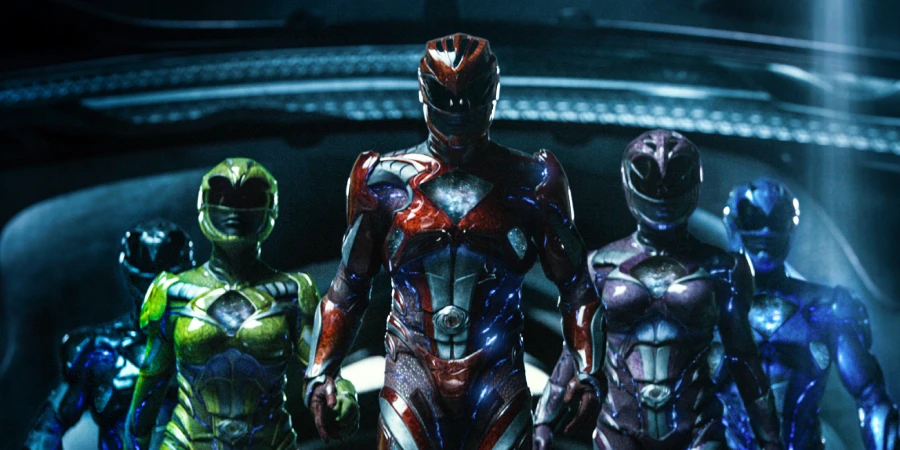
This act of selflessness unlocks the Rangers’ ability to morph for the first time. The long-awaited suit reveal finally happens in full combat mode, and they summon their individual Zords. The action escalates into a citywide battle culminating in the Megazord formation.
In a massive showdown, they defeat Goldar by hurling him into space toward the sun. Rita survives but is blasted into space, frozen and drifting—clearly setting up her potential return.
The Rangers accept their roles as protectors of Earth. The final classroom scene shows them forming a united front at school, fully transformed emotionally even if not in costume. The movie closes on a note of earned camaraderie rather than spectacle.
Are There Post-Credits Scenes?
Yes. There is a mid-credits scene teasing the arrival of Tommy Oliver, the legendary Green Ranger from the original series. A teacher calls out “Tommy Oliver,” but the seat is empty. A green jacket draped over the chair confirms what fans immediately recognize. It’s a direct sequel setup.
Type of Movie
Power Rangers (2017) is a sci-fi superhero reboot with strong teen drama elements. Unlike the campy television series, this version leans into emotional realism, identity struggles, and grounded character arcs before delivering large-scale action.
Cast
- Dacre Montgomery as Jason Scott
- Naomi Scott as Kimberly Hart
- RJ Cyler as Billy Cranston
- Becky G as Trini Kwan
- Ludi Lin as Zack Taylor
- Bryan Cranston as Zordon
- Elizabeth Banks as Rita Repulsa
- Bill Hader as Alpha 5 (voice)
Bryan Cranston’s casting is also a meta nod—he voiced characters in the original ‘90s Power Rangers series.
Film Music and Composer
The score was composed by Brian Tyler. He blends orchestral superhero tones with modern electronic beats. Importantly, the classic “Go Go Power Rangers” theme by Ron Wasserman is reintroduced during the Megazord battle—strategically delayed for maximum nostalgia impact.
Filming Locations
The movie was primarily filmed in British Columbia, Canada, particularly around Vancouver. The forests and quarry landscapes doubled as Angel Grove’s outskirts and the Rangers’ training grounds. These natural environments reinforce the grounded, small-town feel the reboot aimed for, contrasting with the more stylized TV series aesthetic.
Awards and Nominations
The film received several Teen Choice Award nominations and earned praise for RJ Cyler’s performance as Billy. While it didn’t dominate major awards circuits, it was recognized for its inclusive representation and modern reinterpretation of legacy characters.
Behind the Scenes Insights
- RJ Cyler’s portrayal of Billy was praised for its respectful representation of autism; the character was explicitly written as being on the spectrum.
- Elizabeth Banks developed Rita with a deliberately unhinged, almost horror-inspired tone rather than camp villain energy.
- The suits were practical and extremely uncomfortable; actors described limited mobility and long shooting days in heavy armor.
- The production aimed for a shared cinematic universe similar to Marvel, which ultimately did not materialize due to box office performance.
- Bryan Cranston had previously voiced characters in the original 1990s show, making his casting a nostalgic full-circle moment.
Inspirations and References
The film is based on the original Mighty Morphin Power Rangers TV series created by Haim Saban and adapted from Japan’s Super Sentai franchise. This reboot modernizes the mythology while retaining core elements like Zords, Rita, and the Morphing Grid.
Alternate Endings and Deleted Scenes
Some deleted scenes expanded Rita’s backstory and her connection to the original Ranger team. There were also extended training sequences and additional school interactions that deepened character dynamics. No radically different ending was filmed, but sequel plans included introducing the Green Ranger and expanding the Zeo Crystal mythology.
Book Adaptations and Differences
The film is not directly based on a specific novel but adapts the long-running TV series. Major differences include:
- A darker, more grounded tone
- Rita being a former Green Ranger
- A more emotionally vulnerable Jason
- Significantly delayed morphing and Megazord appearance
The original show jumped into action quickly; the film prioritizes character development.
Memorable Scenes and Quotes
Key Scenes
- The campfire confession scene where the team bonds emotionally
- Billy’s death and resurrection
- The first morphing transformation
- The Megazord formation accompanied by the original theme
Iconic Quotes
- “We need to become those things.”
- “Make my monster grow.”
- “It’s not a costume. It’s armor.”
Easter Eggs and Hidden Details
- Kimberly’s bedroom contains subtle pink Ranger references.
- The Krispy Kreme location is repeatedly framed, foreshadowing the Zeo Crystal’s hiding place.
- Rita’s green costume elements hint at her past as the Green Ranger.
- The post-credits Tommy tease mirrors the original series mythology.
- Bryan Cranston’s character name nods to the original Blue Ranger actor David Yost’s character, Billy Cranston.
Trivia
- The film had a production budget of approximately $100 million.
- RJ Cyler was the only main cast member who was already a fan of the franchise before casting.
- The Megazord design sparked heavy online debate for being too alien and less humanoid than the original.
- The reboot was originally planned as the start of a six-film franchise.
Why Watch?
If you’re curious about a more emotionally grounded take on a nostalgic franchise, this film offers surprising depth. It may not deliver wall-to-wall action, but its character-focused approach gives the Rangers more humanity than ever before. Also, the delayed theme song payoff is undeniably satisfying.
Director’s Other Works
- Project Almanac (2015)
- Little Monsters (as producer involvement in related projects through industry ties—not director)
Dean Israelite is particularly known for blending teen drama with sci-fi elements.