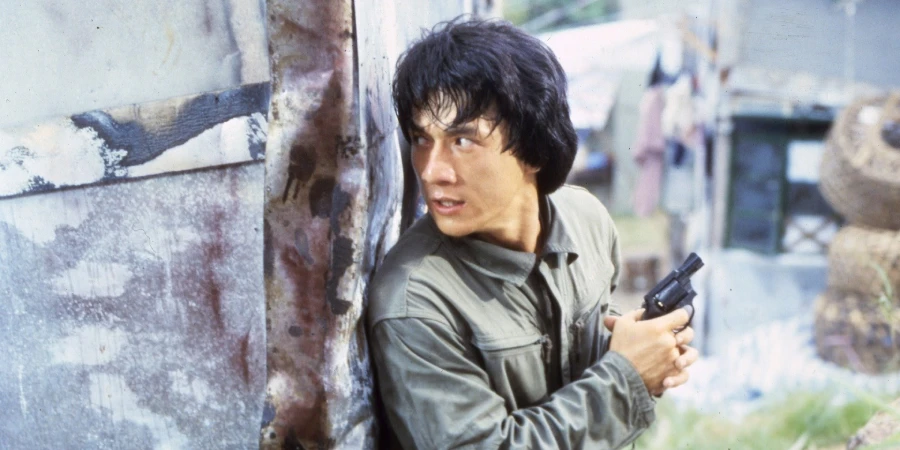

Police Story (1985) is one of the most influential action films ever made and a defining moment in Jackie Chan’s career. It didn’t just raise the bar for martial arts cinema; it kicked that bar through a glass-covered shopping mall—literally.
Detailed Summary
The Explosive Opening Sting Operation
The film opens with an ambitious police operation aimed at arresting notorious drug lord Chu Tao. Inspector Kevin Chan Ka-Kui leads the bust, which immediately escalates into a chaotic chase through a hillside slum. Houses collapse, cars are wrecked, and it becomes clear within minutes that this movie will not respect property, physics, or personal safety. Although Chu Tao is arrested, key evidence is destroyed during the chaos, planting the seeds for future problems.
Ka-Kui Becomes a Liability
To secure Chu Tao’s conviction, the police assign Ka-Kui to protect Selina, the gangster’s secretary and key witness. Things quickly spiral out of control. Selina is manipulated, Ka-Kui is framed for murder, and the media turns him into a public enemy. What makes this section powerful is not just the action, but how Ka-Kui is isolated by the very system he serves, a recurring theme throughout the film.
Fugitive Cop on the Run
With arrest warrants issued against him, Ka-Kui goes rogue to clear his name. His investigation leads to multiple iconic fight scenes, including brutal hand-to-hand combat in apartments, narrow alleyways, and public spaces. The film constantly contrasts Ka-Kui’s moral integrity with the corruption and incompetence around him, making the action feel personal rather than decorative.
Escalation Toward Total Mayhem
As Chu Tao’s organization attempts to eliminate Selina, Ka-Kui intervenes repeatedly, pushing the story toward its legendary finale. Every set piece increases in scale, danger, and inventiveness, culminating in a sequence that would define action cinema for decades.
Movie Ending
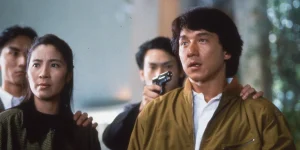
The final act takes place in a multi-level shopping mall, one of the most famous locations in action film history. Chu Tao’s men attempt to silence Selina for good, leading to an all-out war between Ka-Kui and dozens of gangsters.
Ka-Kui fights through escalators, glass storefronts, and multiple floors of enemies. The most infamous moment occurs when he slides down a massive pole wrapped in live electrical lights, crashing through a glass canopy at the bottom. This stunt was performed by Jackie Chan himself and resulted in serious injuries, all of which are real.
After brutally defeating the remaining henchmen, Ka-Kui confronts Chu Tao directly. Selina publicly testifies against Chu Tao, and the criminal is finally arrested with overwhelming evidence, clearing Ka-Kui’s name. The ending reinforces the idea that justice is possible, but only through immense personal sacrifice.
The film concludes by showing outtakes and failed stunts, revealing Jackie Chan’s injuries and reinforcing the authenticity of what the audience just witnessed. It’s funny, painful, and oddly triumphant all at once.
Are There Post-Credits Scenes?
No. Police Story does not feature a post-credits scene. However, the end-credit bloopers and injury footage function almost like an epilogue, leaving a lasting impression that feels more impactful than a traditional teaser.
Type of Movie
Police Story is an action-comedy martial arts film that blends slapstick humor, bone-crunching fight choreography, and practical stunt work. It balances comedy and brutality in a way that few films have managed to replicate.
Cast
- Jackie Chan as Inspector Kevin Chan Ka-Kui
- Brigitte Lin as Selina
- Maggie Cheung as May
- Chor Yuen as Chu Tao
- Bill Tung as Uncle Piao
Film Music and Composer
The score was composed by Michael Lai, featuring energetic themes that support both the comedic timing and high-intensity action. The music never overpowers the scenes, allowing the physical performances to remain front and center.
Filming Locations
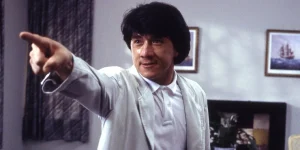
The film was shot extensively in Hong Kong, using real streets, slums, apartment complexes, and a functioning shopping mall.
- The hillside slum emphasizes chaos and instability during the opening raid.
- Urban streets highlight how public Ka-Kui’s battles are—there is no hiding from consequences.
- The shopping mall finale symbolizes modern excess and fragility, literally shattering under the weight of violence.
These locations weren’t just backgrounds; they were active participants in the action.
Awards and Nominations
- Hong Kong Film Awards – Best Film (Nominated)
- Hong Kong Film Awards – Best Action Choreography (Won)
While international awards largely overlooked the film at the time, its legacy has only grown.
Behind the Scenes Insights
- Jackie Chan suffered second-degree burns, a dislocated pelvis, and back injuries during the mall stunt.
- The pole-slide stunt was filmed twice because the first take didn’t break enough glass.
- The shopping mall was decorated with extra glass panels specifically to maximize visual destruction.
- Many stunt performers were real martial artists, not traditional actors.
Inspirations and References
The film was inspired by American police films like Dirty Harry (1971), but filtered through Hong Kong cinema’s physicality and comedic rhythm. Jackie Chan intentionally rejected gun-heavy action in favor of body-driven storytelling.
Alternate Endings and Deleted Scenes
There are no known alternate endings. Some minor character moments were trimmed for pacing, but the core structure remained intact. Jackie Chan has stated that the ending was always meant to be overwhelming and exhausting, mirroring Ka-Kui’s journey.
Book Adaptations and Differences
Police Story is an original screenplay and is not based on a book or prior work.

Memorable Scenes and Quotes
Key Scenes
- The opening slum raid and car chase
- The apartment fight involving collapsing furniture
- The shopping mall finale and pole slide
Iconic Quotes
- “I’m a cop. I have to follow the law.”
- “Why is it always me?”
These lines underline the film’s blend of humor and frustration.
Easter Eggs and Hidden Details
- Some background actors reappear as different characters later in the film.
- Jackie Chan’s real injuries are visible if you watch closely in the final stunt.
- Police incompetence is exaggerated as a subtle critique of bureaucracy.
Trivia
- Jackie Chan served as director, writer, and lead stunt performer.
- The film spawned multiple sequels and reboots.
- Quentin Tarantino has cited Police Story as one of his favorite action films.
Why Watch?
If you care about real stunts, practical effects, and action that actually hurts, Police Story is essential viewing. It’s not just entertaining; it’s a masterclass in physical filmmaking that modern CGI-heavy action rarely matches.
Director’s Other Works (Movies)
- Drunken Master (1978)
- Project A (1983)
- Police Story 2 (1988)
- Armor of God (1986)
- Operation Condor (1991)
Recommended Films for Fans
- Police Story 2 (1988)
- Police Story 3: Super Cop (1992)
- Police Story 4: First Strike (1996)
- New Police Story (2004)
- Project A (1983)
- Drunken Master (1978)
- The Raid (2011)
- Hard Boiled (1992)