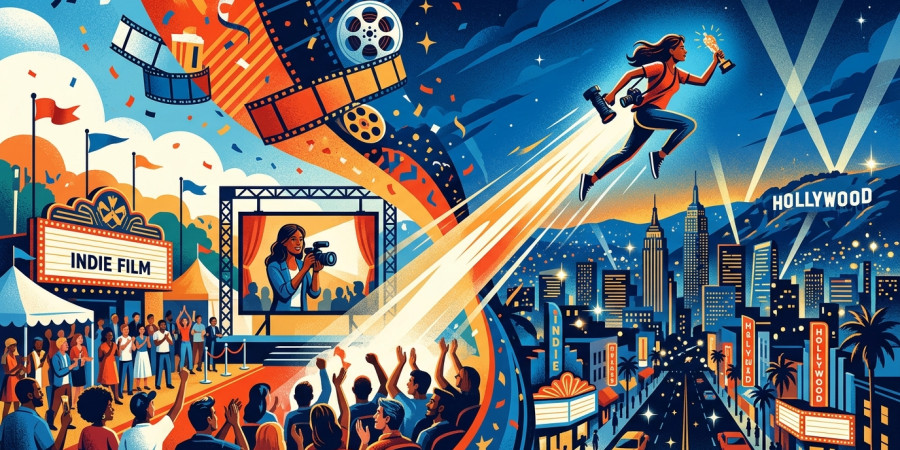

Every year, thousands of filmmakers submit their work to festivals around the world, hoping for that career-defining moment. Film festivals serve as launching pads for emerging talent, transforming unknown directors into Hollywood’s next big names. These events bridge the gap between independent cinema and mainstream success, offering visibility that money can’t buy. Understanding film festival importance reveals how these platforms shape the industry and create opportunities for voices that might otherwise go unheard.
From Sundance to Cannes, festivals have become essential gatekeepers and tastemakers. They provide more than just screenings—they offer validation, networking opportunities, and direct access to industry decision-makers who can greenlight careers overnight.
Why Film Festivals Matter for Independent Filmmakers
Independent filmmakers face enormous challenges breaking into Hollywood’s tightly controlled ecosystem. Major studios dominate distribution channels, making it nearly impossible for outsiders to secure theatrical releases or streaming deals on their own.
Film festivals level the playing field. They create curated spaces where artistic merit trumps marketing budgets, allowing bold new voices to compete alongside established names. Selection committees prioritize originality and craftsmanship, giving experimental storytellers a fighting chance.
Moreover, festivals generate buzz that traditional marketing campaigns struggle to match. A strong festival run creates word-of-mouth momentum that can turn low-budget projects into cultural phenomena. Critics, journalists, and industry insiders converge at these events specifically to discover fresh talent.
The Discovery Mechanism That Changes Careers
Festivals function as sophisticated discovery mechanisms for Hollywood talent scouts. Studio executives, agents, and producers attend specifically to identify promising directors, writers, and actors before competitors snap them up.
Acquisition teams from streaming platforms and distributors scout festival lineups months in advance. They arrive with checkbooks ready, competing fiercely for projects that generate excitement during early screenings. This competitive environment drives up values and creates opportunities for filmmakers to negotiate favorable deals.
Beyond financial transactions, festivals facilitate relationships that last entire careers. A director who impresses at Toronto might land representation at a top agency, opening doors to studio projects and bigger budgets down the line.



How Festival Success Translates to Industry Recognition
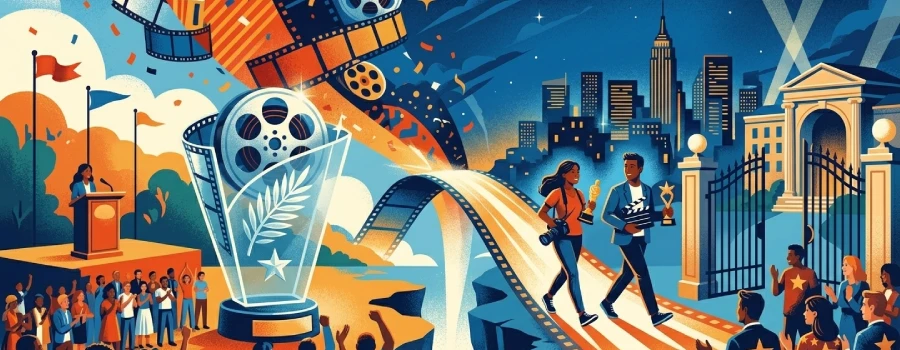
Awards and accolades from prestigious festivals carry significant weight in Hollywood’s hierarchy. Winning the Grand Jury Prize at Sundance or the Palme d’Or at Cannes signals to the industry that a filmmaker possesses exceptional talent worth investing in.
These honors serve multiple functions simultaneously:
- They validate artistic choices that might seem risky or unconventional
- They generate media coverage that raises a filmmaker’s profile nationally and internationally
- They create leverage during contract negotiations with studios and financiers
- They attract A-list talent who want to work with award-winning directors
Festival recognition also opens doors to subsequent festival invitations. A film that premieres successfully at one major festival often receives invitations to others, extending its promotional runway and multiplying networking opportunities.
The Role of Audience Engagement in Festival Success
Audience reactions at festivals provide real-time feedback that shapes a film’s commercial trajectory. Standing ovations, sold-out screenings, and enthusiastic Q&A sessions signal market viability to potential distributors.
Many festivals incorporate audience awards voted on by regular moviegoers rather than industry professionals. These prizes demonstrate broad appeal beyond critical circles, making projects more attractive to distributors seeking commercial hits. Films that connect emotionally with festival crowds often replicate that success in wider theatrical releases.
Social media amplifies audience reactions instantly. Festival attendees tweet, post, and review films in real time, creating grassroots marketing that reaches far beyond the event itself. A single viral moment can transform a film’s fortunes completely.
Building Networks That Fuel Long-Term Careers
The importance of film festivals extends beyond individual project launches to career-long relationship building. Directors meet cinematographers, editors connect with producers, and writers find collaborators who share their creative vision.
Industry panels, workshops, and networking events run parallel to screenings at most major festivals. These structured opportunities facilitate introductions that might never happen otherwise. Conversations over coffee often lead to future collaborations worth millions of dollars.
Mentorship relationships frequently begin at festivals. Established filmmakers remember their own struggles breaking in and actively seek out promising newcomers to guide. These connections provide invaluable advice, introductions, and sometimes direct financial support for subsequent projects.
Strategic Festival Selection for Maximum Impact
Not all festivals offer equal value for emerging filmmakers. Strategic selection requires understanding each event’s strengths, industry connections, and track record of launching careers.
Top-tier festivals with the strongest Hollywood connections include:
- Sundance Film Festival for American independent cinema and documentary
- Cannes Film Festival for international prestige and art-house projects
- Toronto International Film Festival for awards-season launches and acquisitions
- Berlin International Film Festival for European co-productions and political cinema
- South by Southwest for genre films and innovative storytelling
Emerging filmmakers should also consider specialized festivals focused on specific genres or communities. Horror films might find better reception at Fantastic Fest, while documentary filmmakers often target Hot Docs or Tribeca.
From Festival Circuit to Studio Deals
The journey from festival premiere to Hollywood contract follows recognizable patterns. Success stories share common elements that aspiring filmmakers can study and emulate.
Distribution deals frequently close during festivals themselves. Buyers attend screenings with offers prepared, ready to move quickly when they identify potential hits. Bidding wars sometimes erupt before a film finishes its festival run, driving prices skyward and generating publicity.
However, the relationship between festival recognition and Hollywood success isn’t automatic. Filmmakers must capitalize on festival momentum quickly, maintaining visibility and pursuing opportunities aggressively. Waiting too long after a successful premiere can squander hard-won attention.
Representation plays a crucial role in converting festival success into sustainable careers. Filmmakers who secure strong agents or managers during their festival run gain advocates who can negotiate better deals and identify opportunities they’d miss independently.
Your Festival Strategy Starts Now
Film festivals remain the most reliable pathway for independent voices to break into Hollywood’s competitive landscape. They provide visibility, validation, and connections that traditional entry points can’t match.
Understanding festival culture, timing submissions strategically, and maximizing networking opportunities separate filmmakers who leverage festivals successfully from those who simply attend. The difference often determines whether festival success translates into sustained Hollywood careers or becomes a footnote in someone else’s industry journey.
Start researching festivals that align with your artistic vision and career goals. Build relationships with programmers, study submission requirements carefully, and prepare materials that showcase your unique voice. The next wave of Hollywood talent is being discovered right now at festivals worldwide—make sure you’re part of it.