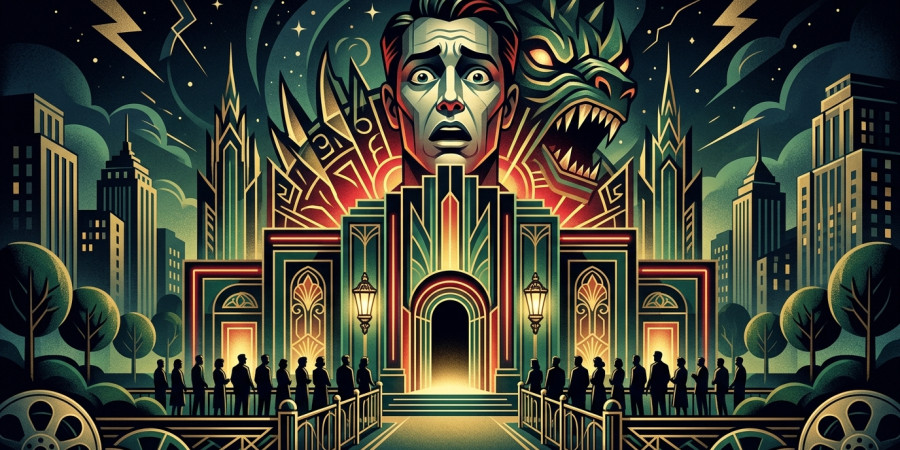

Horror movies pack theaters despite promising viewers discomfort, fear, and sleepless nights. People willingly subject themselves to jump scares, gruesome imagery, and psychological terror. This paradox has fascinated psychologists and film scholars for decades. Understanding horror movie psychology reveals fundamental truths about human nature and our complex relationship with fear.
Our brains respond to fictional threats in ways that both mirror and differ from real danger. Meanwhile, the popularity of horror cinema continues to grow, with audiences craving increasingly intense experiences. What drives this attraction to terror?
The Science Behind Fear and Pleasure
Our bodies react to horror films through a cascade of physiological responses. Adrenaline floods the bloodstream when a monster appears on screen. Heart rates spike, muscles tense, and breathing quickens.
However, the brain simultaneously recognizes the threat isn’t real. This awareness creates a unique state where we experience fear without actual danger. Neuroscientists call this the excitation-transfer theory, where arousal from fear converts into pleasure once the threat passes.
Dopamine also plays a crucial role in why we enjoy being scared. This neurotransmitter associated with reward and pleasure increases during thrilling experiences. After a particularly intense scene, relief washes over viewers, creating a natural high. The contrast between terror and safety becomes addictive for many horror fans.


Psychological Benefits of Watching Horror Films
Catharsis and Emotional Release
Horror cinema provides a safe outlet for negative emotions that society often suppresses. Viewers can confront anxiety, anger, and fear through fictional narratives. This cathartic experience allows people to process difficult feelings without real-world consequences.
Many psychologists suggest horror films function as emotional practice sessions. Audiences rehearse responses to threatening situations in a controlled environment. As a result, some fans report feeling more equipped to handle stress after regular horror viewing.
Mastery Over Fear
Watching horror movies offers viewers a sense of control over their fears. Choosing when to watch, pausing during intense moments, or discussing scenes with friends empowers audiences. This agency transforms fear from something that happens to us into something we actively manage.
Repeated exposure to horror content can also reduce anxiety sensitivity. Fans gradually build tolerance to frightening imagery and scenarios. In addition, overcoming particularly scary films provides a confidence boost that extends beyond entertainment.
The Social Psychology of Horror Cinema
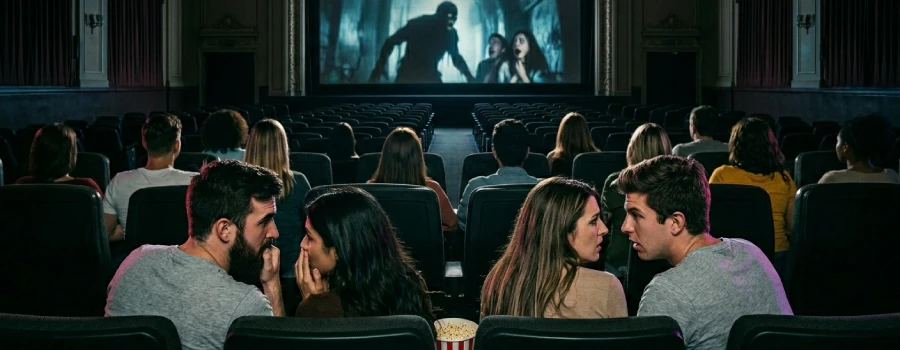
Horror films create powerful bonding experiences among viewers. Groups who watch scary movies together form stronger social connections through shared vulnerability. Friends clutching each other during tense scenes or laughing nervously after jump scares strengthen relationships.
Movie theaters showing horror films buzz with collective energy unlike other genres. Audiences scream, gasp, and react in unison, creating communal experiences. This social dimension of horror explains why people often prefer watching scary films with others rather than alone.
Online communities dedicated to horror analysis have exploded in recent years. Fans dissect symbolism, debate interpretations, and celebrate their favorite frightening moments. These interactions satisfy both intellectual curiosity and the need for belonging.
Individual Differences in Horror Preferences
Not everyone enjoys horror films, and personality traits largely determine these preferences. Research shows sensation-seekers gravitate toward intense horror experiences. These individuals crave novel, complex stimuli and possess higher thresholds for arousal.
Conversely, people high in empathy sometimes struggle with graphic horror content. They experience fictional suffering more intensely than others. Consequently, these viewers might prefer psychological horror over gore-heavy slashers.
Gender differences in horror movie psychology have sparked considerable debate. Traditional studies suggested men enjoyed horror more than women, but recent research challenges this assumption. Instead, men and women appear to enjoy different aspects of horror films and express their reactions differently.
Horror as a Coping Mechanism
Some fans turn to horror films during difficult life periods. Facing fictional fears provides perspective on real-world problems. Personal challenges seem more manageable after watching characters survive impossible situations.
Horror cinema also offers preparation for actual threats. Pandemics, climate disasters, and social collapse appear frequently in genre films. Therefore, horror can serve as a psychological rehearsal for catastrophic events. Viewers mentally simulate crisis scenarios without experiencing genuine trauma.
Notably, horror consumption increased dramatically during global crises. Audiences sought controlled fear experiences while processing collective anxiety. This pattern demonstrates how psychological horror appeals intensify during uncertain times.
The Evolutionary Perspective
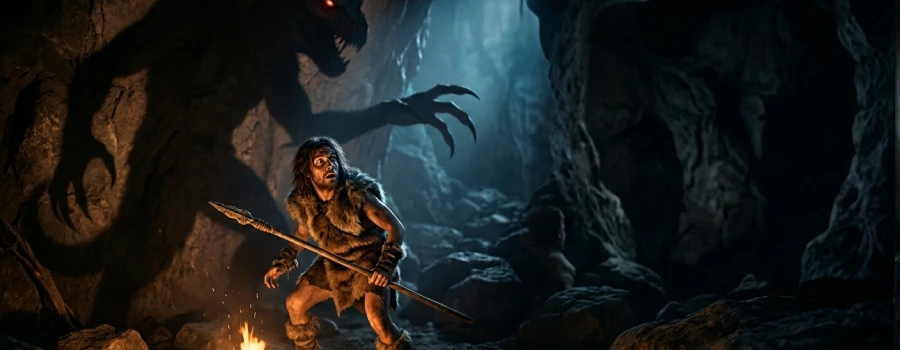
Our attraction to horror may have deep evolutionary roots. Human ancestors who paid attention to threats survived longer than those who ignored danger. Modern brains still prioritize threat-related information, even in entertainment contexts.
Horror films exploit ancient survival mechanisms while removing actual risk. We practice threat detection and response without facing real predators or violence. This explanation suggests our fear attraction psychology served adaptive purposes throughout human history.
Stories about monsters and dangers also functioned as cultural teaching tools for millennia. They transmitted survival knowledge across generations. Contemporary horror films continue this tradition, exploring modern anxieties through metaphorical monsters.



The Artistic Appeal of Horror
Beyond psychological explanations, horror represents a legitimate art form worthy of appreciation. Directors craft suspense through cinematography, sound design, and pacing. Skilled filmmakers manipulate audience emotions with precision, creating experiences impossible in other genres.
Horror cinema pushes creative boundaries by exploring taboo subjects and unconventional narratives. Filmmakers experiment with structure, perspective, and visual techniques. As a result, horror often leads innovation in cinema technology and storytelling methods.
Audiences who understand horror film psychology appreciate these artistic elements more deeply. They recognize how directors manufacture fear and admiration for the craft intensifies enjoyment. Critical engagement transforms passive viewing into active analysis.
Why Your Brain Craves the Next Scare
Understanding horror movie psychology illuminates why millions voluntarily seek frightening experiences. Fear in controlled settings triggers unique neurological responses that blend discomfort with pleasure. Social bonding, emotional catharsis, and artistic appreciation all contribute to horror’s enduring popularity.
Your next horror viewing session serves multiple psychological functions simultaneously. It exercises ancient survival circuits, processes contemporary anxieties, and provides entertainment through masterful filmmaking. Rather than question why people love horror, perhaps we should ask what makes certain individuals immune to its appeal.