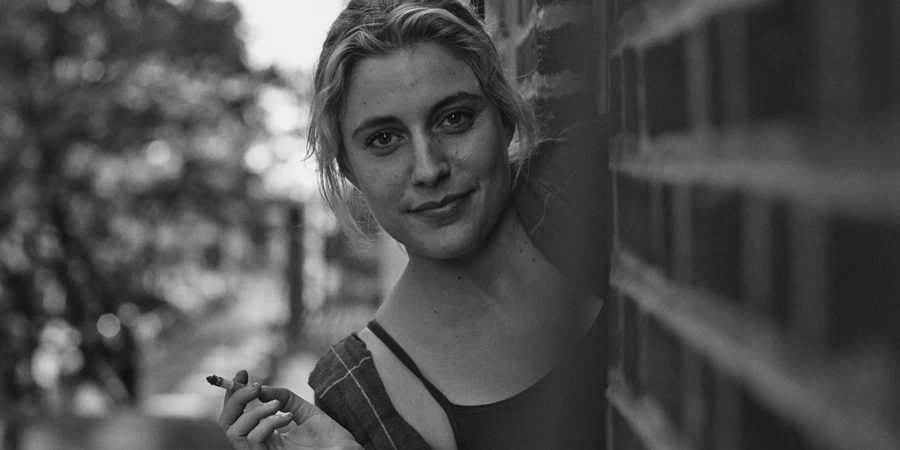

Frances Ha is a black-and-white dramedy directed by Noah Baumbach and co-written with Greta Gerwig, who also stars in the titular role. It’s a character-driven, intimate, and stylistically bold film that explores friendship, ambition, failure, and the beautifully messy path toward adulthood.
Detailed Summary
Frances and Sophie: The Central Friendship
At the heart of the story is Frances (Greta Gerwig), a 27-year-old aspiring dancer living in New York City. Her closest relationship is with her best friend Sophie, with whom she shares a deep, emotionally charged, borderline soulmate-level bond. They joke about being “a couple” even though they each try to pursue their own romantic lives.
The Break: Sophie Moves On
Frances’s life shifts dramatically when Sophie decides to move in with another friend in a more desirable apartment. Frances, who has been emotionally anchored to Sophie, finds herself suddenly drifting. This moment marks one of the film’s critical turning points, exposing how much Frances relied on Sophie not only emotionally but also for her sense of adulthood.
The Struggle to Find Stability
Frances moves from apartment to apartment, unable to secure long-term living arrangements or steady income. She stays briefly with wealthy artist friends, takes a trip to Paris on a whim (which hilariously fails to inspire anything meaningful), and returns home to Sacramento for Christmas—a sequence that shows the quiet tenderness of her family life.
This portion of the film is dedicated to showing Frances’s stagnation, contrasted with Sophie’s forward momentum. Sophie becomes engaged, begins planning a move to Japan, and appears to be stepping into a conventional adulthood. Frances, by comparison, is stuck dreaming of a dancing career she can’t fully break into.
Artistic Acceptance and Personal Maturity
Eventually, Frances learns to compromise with reality without giving up her artistic ambitions. She takes a job at her dance company—not as a performer, but in an administrative role—and starts choreographing her own work. She moves into a modest apartment, begins establishing her independence, and seems to finally understand who she is outside of her friendship with Sophie.


Movie Ending
After Sophie’s engagement collapses and her plans fall apart, she drunkenly shows up at one of Frances’s performances. Sophie is in a vulnerable state, and Frances comforts her—a quietly heartbreaking reminder that both women are still works in progress, still imperfect, still figuring life out.
But unlike the beginning of the film, Frances doesn’t collapse back into her old dynamic with Sophie. Instead, she continues on her own path. The two share a warm moment, but it’s clear they’re moving into a new phase of adulthood—separate, yet still connected.
The film ends with Frances settling into her new apartment. As she goes to write her name on her mailbox, the full name “Frances Halladay” doesn’t fit in the label slot. So she abbreviates it to:
FRANCES HA
This small moment is rich with meaning. She is finally claiming her space, even if imperfectly. The title becomes symbolic: a person still in process, still unfinished—but present, visible, and finally grounded.
Are There Post-Credits Scenes?
No, Frances Ha does not contain any post-credits or mid-credits scenes.
Type of Movie
Frances Ha is a character-driven coming-of-age dramedy with an indie aesthetic, blending understated humor and realistic emotional beats. It’s intimate, grounded, and deeply observational.
Cast
- Greta Gerwig as Frances Halladay
- Mickey Sumner as Sophie
- Adam Driver as Lev
- Michael Zegen as Benji
- Grace Gummer as Rachel
- Charlotte d’Amboise as Colleen
- Josh Hamilton as Andy
Film Music and Composer
Frances Ha does not have a traditional composed score. Instead, it uses a curated soundtrack of existing classical pieces, pop songs, and film music, including works by David Bowie, Georges Delerue, and Harry Nilsson. The eclectic mix enhances the film’s nostalgic and whimsical tone.

Filming Locations
The film was shot almost entirely in New York City, with key scenes in:
- Brooklyn
- Manhattan (Upper West Side, Chinatown, Washington Heights)
- Vassar College (used as a substitute for Paris Opera Ballet school interiors)
New York is more than a backdrop—it’s an active atmosphere that reflects Frances’s internal state. The gritty realism of the city matches her instability, while its artistic pulse mirrors her ambitions.
A brief but memorable sequence was filmed in Paris, emphasizing Frances’s spontaneous, often chaotic decision-making.
Awards and Nominations
- Golden Globe Nomination — Best Actress (Greta Gerwig)
- Independent Spirit Award Nomination — Best Feature
- London Critics’ Circle Film Award — Screenwriter of the Year (Baumbach & Gerwig)
- Multiple international critics’ awards recognizing screenwriting, direction, and Gerwig’s performance.
Behind the Scenes Insights
- The film was shot in black and white as a nod to the French New Wave, especially Truffaut.
- Much of the dialogue was developed through improvisation sessions between Baumbach and Gerwig.
- Greta Gerwig reportedly co-wrote many scenes based on her own experiences living in NYC as a young artist.
- The Paris scenes were filmed in a very tight two-day window, using natural light and minimal crew.
- Adam Driver’s role was one of his early stepping stones before Girls and later Star Wars fame.
- The film was shot digitally but graded to resemble 16mm film aesthetics.
Inspirations and References
The movie draws heavily from:
- The French New Wave, especially François Truffaut’s Jules et Jim and Éric Rohmer’s character studies.
- Baumbach’s earlier collaboration with Gerwig on Greenberg.
- Real experiences of young dancers and creatives living in New York.
- The structure of semi-autobiographical novels about drifting through young adulthood.
Alternate Endings and Deleted Scenes
There are no publicly released alternate endings, but Baumbach has mentioned unused footage:
- A longer version of Frances’s time in Sacramento, emphasizing family dynamics.
- Additional scenes with Frances’s dance colleagues exploring her insecurities as a performer.
- Extended dialogue sequences between Frances and Sophie that were cut to maintain pacing.
None significantly change the overall trajectory of the story.
Book Adaptations and Differences
Frances Ha is not based on a book, though it stylistically resembles autobiographical fiction and French New Wave cinema.


Memorable Scenes and Quotes
Key Scenes
- Frances sprinting through the streets to David Bowie’s Modern Love, expressing reckless joy.
- The failed Paris trip—one of the film’s most awkwardly comedic arcs.
- Frances performing her own choreography, marking her shift toward personal agency.
- The emotional nighttime reunion with Sophie, capturing the fragility of adult friendships.
Iconic Quotes
- “I’m not a real person yet.”
- “Undateable.” (Delivered with affectionate teasing.)
- “Sometimes it’s good to do what you’re supposed to do when you’re supposed to do it.”
- “We’re like a couple that doesn’t have sex anymore.”
Easter Eggs and Hidden Details
- The title card “FRANCES HA” appearing only at the end reflects Frances’s late self-definition.
- Many scenes mirror shots from French New Wave films—particularly Truffaut.
- Frances’s awkward Paris trip parallels Baumbach feeling artistically lost in his early career.
- The opening montage of Frances and Sophie is edited like a romantic relationship intro—intentionally blurring friendship and love.
Trivia
- Greta Gerwig and Noah Baumbach began dating during production.
- Some apartments used in the film were actual homes of cast and crew.
- The budget was reportedly very small for a 2010s NYC film, around $3 million.
- The film premiered at the Telluride Film Festival.
- Baumbach edited the film himself—a rarity among modern directors.
Why Watch?
Because Frances Ha is one of the rare films that captures the beautiful confusion of becoming an adult—the friendships that feel like lifelines, the artistic dreams that refuse to die, and the awkward, funny, painful steps toward independence. It’s both relatable and artistically bold, with performances and moments that linger long after the credits.
Director’s Other Movies
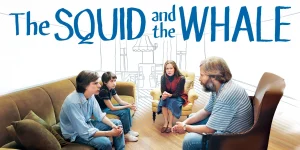
- The Squid and the Whale (2005)
- Margot at the Wedding (2007)
- Greenberg (2010)
- While We’re Young (2014)
- Mistress America (2015)
- Marriage Story (2019)
- White Noise (2022)
Recommended Films for Fans
- Lady Bird (2017)
- Frances (1982)
- Frances Ferguson (2019)
- Tiny Furniture (2010)
- Before Sunset (2004)
- Mistress America (2015)