
Hollywood has long been a boys’ club, especially behind the camera. For decades, women struggled to break into the cinematography field, facing systemic barriers and limited opportunities. Yet today, a new generation of female cinematographers is rewriting the rules and transforming how stories are told on screen.
These talented artists bring fresh perspectives to visual storytelling. Their work challenges conventions and pushes creative boundaries in ways that benefit the entire industry. More importantly, they’re opening doors for aspiring cinematographers who once saw few role models in this male-dominated craft.
Breaking Through the Camera Department Glass Ceiling
Women in cinematography have historically faced significant obstacles. Camera departments traditionally operated as tight-knit, male-dominated crews where entry often depended on personal connections. Without mentors or networks, aspiring female directors of photography found few pathways into the profession.
Recent years have brought meaningful change. Industry organizations and festivals now actively promote women cinematographers, creating visibility and opportunities that didn’t exist before. However, the numbers still reveal stark disparities in hiring practices and career advancement.
Progress comes through persistence and collective advocacy. Organizations like the American Society of Cinematographers have welcomed more women members, while film schools report increasing enrollment of female students in cinematography programs. These shifts signal a cultural transformation that’s long overdue.
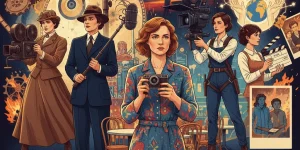


Pioneering Women Behind the Lens
Several groundbreaking artists have paved the way for today’s female cinematographers. Their achievements demonstrate that gender has no bearing on creative vision or technical mastery.
Award-Winning Visionaries
Rachel Morrison made history as the first woman nominated for an Academy Award for Best Cinematography. Her work showcases stunning visual composition and emotional depth that elevates every project she touches.
Reed Morano has built an impressive career spanning independent films and prestige television. She brings a distinctive aesthetic to her projects while proving that women in film production can excel across multiple formats and genres.
These pioneers have mentored countless emerging talents. Their success creates a ripple effect throughout the industry, demonstrating that excellence knows no gender.
Rising Stars Shaping Visual Storytelling
A new wave of talented cinematographers continues to push boundaries. These artists bring unique perspectives that enrich cinema’s visual language.
- Autumn Durald Arkapaw crafts dreamlike, ethereal imagery that captures intimate emotional landscapes
- Rina Yang combines technical precision with bold artistic choices in her distinctive visual approach
- Natasha Braier creates stunning compositions that balance naturalism with striking aesthetic beauty
Why Diverse Perspectives Matter in Cinematography
Visual storytelling benefits immensely from varied viewpoints. When female DPs bring their experiences to a project, they often notice details and frame shots differently than their male counterparts might.
This diversity isn’t about quotas or tokenism. It’s about recognizing that different life experiences inform how artists see the world and translate that vision to screen. Cinematography shapes audience perception and emotional response to every scene.
Films shot by women cinematographers often display particular sensitivity to lighting, composition, and character framing. While individual styles vary widely, many bring nuanced approaches to depicting women characters that avoid the objectifying male gaze traditionally dominant in cinema.
Changing How Female Characters Are Filmed
Cinematographers make countless decisions about how to present characters visually. Consequently, having more women in these roles directly impacts representation on screen.
- Lighting choices that flatter diverse skin tones and body types
- Camera angles that respect rather than exploit female characters
- Framing decisions that prioritize character interiority over objectification
- Visual storytelling that centers women’s experiences authentically
Challenges Female Cinematographers Still Face
Despite progress, women in the camera department continue confronting systemic obstacles. Understanding these challenges helps the industry address them more effectively.
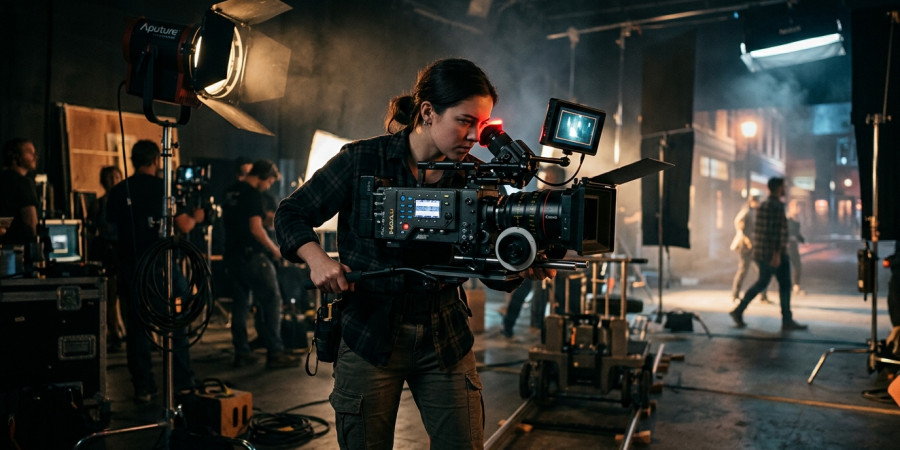
Physical demands of the job sometimes serve as excuses for discrimination. Camera equipment is heavy, and shoots can be grueling. Nevertheless, these requirements don’t actually prevent women from excelling in the role.
Industry Bias and Hiring Practices
Unconscious bias affects hiring decisions throughout Hollywood. Directors and producers may default to cinematographers they’ve worked with before or who come recommended through existing networks. Since these networks have historically excluded women, the pattern perpetuates itself.
Budget concerns sometimes favor established names over emerging talent. Therefore, female cinematographers may struggle to gain the credits needed to compete for high-profile projects. This creates a frustrating catch-22 where experience requirements block access to experience-building opportunities.
Work-Life Balance in a Demanding Field
Long hours and unpredictable schedules characterize most film productions. Women, who still shoulder disproportionate family caregiving responsibilities, may face additional pressure balancing career demands with personal obligations.
Industry culture needs to evolve to support all professionals seeking work-life balance. Solutions include reasonable scheduling, adequate crew sizes, and normalizing career breaks without penalty. These changes would benefit everyone, not just women.
Supporting the Next Generation of Female DPs
Creating lasting change requires intentional effort from everyone in the industry. Producers, directors, and established cinematographers all play roles in opening opportunities for emerging talent.
- Actively seek out female cinematographers when hiring for projects
- Create mentorship programs connecting established professionals with emerging artists
- Highlight women’s work through awards, festivals, and industry showcases
- Ensure film school curricula includes work by diverse cinematographers
- Challenge bias when it appears in hiring discussions or crew dynamics
Film festivals and industry organizations have launched initiatives specifically promoting women cinematographers. These programs provide visibility, networking opportunities, and career development resources that help level the playing field.
The Future Looks Brighter Behind the Camera
Momentum continues building for female cinematographers across the film industry. Each success story inspires the next generation while proving that talent transcends gender.
Streaming platforms have created more content opportunities than ever before. This expansion means more projects need talented cinematographers, potentially accelerating the industry’s shift toward greater inclusion. Moreover, audiences increasingly demand authentic, diverse storytelling that reflects real-world experiences.
Technology also plays a democratizing role. Digital cameras have become lighter and more affordable, reducing some traditional barriers to entry. Social media allows women cinematographers to showcase their work directly to potential collaborators without relying solely on established gatekeepers.

Celebrating Progress While Pushing Forward
The cinematographers highlighted here represent just a fraction of the talented women transforming visual storytelling. Their work proves that diverse voices behind the camera create richer, more compelling cinema for everyone.
Supporting female cinematographers isn’t about lowering standards or making exceptions. It’s about recognizing the systemic barriers that have limited opportunities and actively dismantling them. Excellence exists across all demographics when given the chance to flourish.
Pay attention to who shoots the films and shows you love. Seek out work by women in cinematography and support projects that prioritize inclusive hiring. Small actions from audiences, combined with industry commitment, will continue driving meaningful change in how our stories are captured and told.