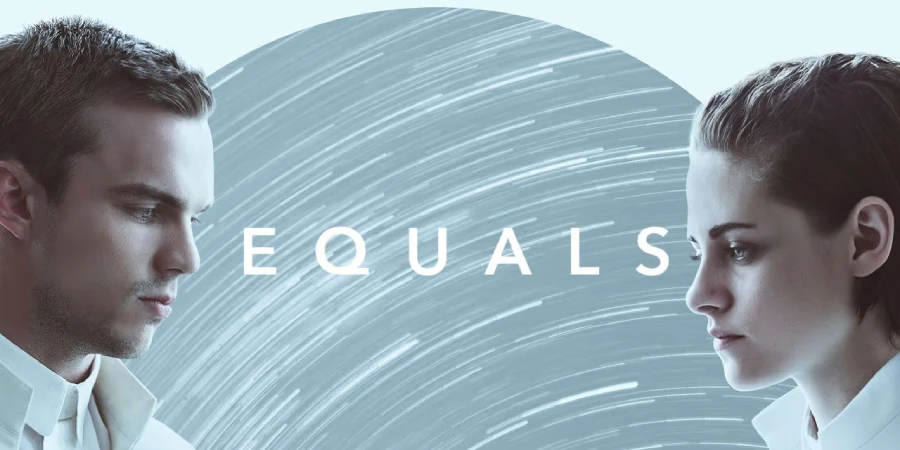

Equals (2015) is a minimalist science-fiction romance that explores what happens when emotions are treated as a disease. Directed by Drake Doremus, the film blends dystopian storytelling with intimate human drama, focusing less on action and more on what it means to feel in a controlled society.
Detailed Summary
A World Without Emotions
The story takes place in a near-future society known as The Collective, where human emotions have been genetically eliminated. Love, sadness, desire, jealousy, and even deep happiness are considered dangerous psychological disorders.
Citizens live calm, orderly, and highly regulated lives. Relationships are polite but distant. Physical touch is rare. Emotional expression is forbidden.
The society’s greatest fear is a condition called Switch-On Syndrome (SOS), a disease that causes people to regain emotions.
Those who develop it are monitored, isolated, and eventually euthanized.
Silas Begins to Feel
Silas (Nicholas Hoult) works as an illustrator and data analyst. His life is routine, silent, and sterile. Everything changes when he begins experiencing small emotional shifts:
- curiosity
- fascination
- anxiety
- sadness
He realizes he has contracted SOS but hides it to avoid being reported.
As emotions intensify, he becomes increasingly aware of the emptiness around him. The world appears beautiful for the first time, but also terrifying.
Nia and the Forbidden Connection
Silas becomes drawn to his coworker Nia (Kristen Stewart). When Nia’s brother is executed after being diagnosed with SOS, her emotional suppression begins to collapse.
She too becomes infected.
What starts as cautious interaction grows into secret glances, emotional vulnerability, and eventually love. They begin a hidden romantic relationship, meeting in abandoned apartments and dark corridors, experiencing human connection for the first time.
Their love is not rebellious in a loud way, but dangerous simply because it exists.
Surveillance and Consequences
The Collective increases surveillance as SOS spreads. Citizens are tested, observed, and reported by their own peers.
Silas and Nia seek help from Jonas (Guy Pearce), a senior doctor who secretly suffers from emotions himself. He explains that the cure for SOS exists, but once cured, all emotional memories disappear.
The choice is devastating:
- feel love and die
- or survive and forget everything
As authorities close in, the couple must decide whether emotions are worth the price.


Movie Ending
Silas is captured first and forced to undergo the cure. As the treatment takes effect, his emotions vanish completely. His face returns to calm emptiness. He no longer remembers Nia, love, fear, or pain.
Nia manages to escape arrest. Pregnant with Silas’s child, she hides among an underground group of emotional survivors living outside the Collective.
Time passes.
One day, Silas—now cured and emotionally blank—visits a public train station. Nia appears nearby, holding their baby. She watches him carefully, knowing he no longer remembers her.
Then something unexpected happens.
Silas looks at Nia and hesitates.
His expression subtly changes.
A flicker of recognition appears.
The film ends ambiguously, strongly implying that emotions cannot truly be erased, and that love may be an inherent human trait beyond science or control.
The ending suggests hope without certainty, leaving viewers questioning whether humanity can ever truly eliminate feeling.
Are There Post-Credits Scenes?
No. Equals does not include mid-credits or post-credits scenes. The film ends quietly, maintaining its emotional tone without additional material.
Type of Movie
Equals is a science-fiction romantic drama that leans heavily toward emotional realism rather than futuristic spectacle. It combines dystopian themes with intimate storytelling, focusing on human connection instead of technology.
Cast
- Nicholas Hoult as Silas
- Kristen Stewart as Nia
- Guy Pearce as Jonas
- Jackie Weaver as Bess
- Toby Huss as George
Film Music and Composer
The score was composed by Dustin O’Halloran, whose minimalist piano-based music plays a crucial emotional role. The soundtrack is soft, melancholic, and restrained, mirroring the controlled world of the film while gradually growing warmer as emotions return.


Filming Locations
The movie was filmed primarily in:
- Tokyo, Japan
- Singapore
- Shanghai, China
These locations were chosen for their clean architecture, symmetry, and futuristic minimalism. Real modern buildings were used instead of CGI to emphasize realism and emotional isolation.
The sterile environments visually reinforce the film’s core idea: a beautiful world devoid of warmth.
Awards and Nominations
While not a major awards contender, Equals received recognition at independent film festivals:
- Nominated for Best Film at the Sitges Film Festival
- Screened at the Venice Film Festival
- Praised for cinematography and musical score in indie circles
Behind the Scenes Insights
- Drake Doremus described the film as “a love story first, science fiction second.”
- Kristen Stewart and Nicholas Hoult rehearsed extensively to remove emotional expression from their performances.
- The actors studied people with emotional suppression disorders for authenticity.
- Dialogue was intentionally minimal to emphasize body language.
- Many scenes were filmed with natural light to enhance realism.
Inspirations and References
- 1984 by George Orwell
- Brave New World by Aldous Huxley
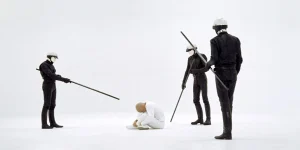
- THX 1138 (1971)
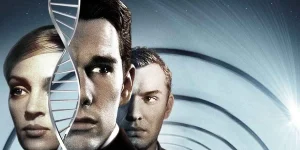
- Gattaca (1997)
The film also reflects modern anxieties about emotional numbness, medication dependency, and societal pressure toward emotional control.
Alternate Endings and Deleted Scenes
An alternate ending was discussed in which Silas would fully regain his emotions and reunite openly with Nia. The director rejected it, believing ambiguity felt more honest.
Several deleted scenes expanded the underground emotional society but were cut to maintain the film’s intimate focus.
Book Adaptations and Differences
Equals is not based on a book. It is an original screenplay written by Nathan Parker, though it draws heavily from classic dystopian literature.

Memorable Scenes and Quotes
Key Scenes
- Silas touching water and reacting emotionally for the first time
- Nia crying silently after her brother’s death
- The couple lying together, discovering physical closeness
- The cure sequence where Silas’s emotions fade
- The final train station moment
Iconic Quotes
- “They say emotions are dangerous. But they’re the only thing that makes us human.”
- “I don’t want to live in a world where I don’t feel anything.”
- “If this is sickness, I don’t want the cure.”
Easter Eggs and Hidden Details
- Color saturation increases gradually as emotions return.
- Early scenes contain almost no background music.
- Mirrors are frequently used to symbolize self-awareness.
- Emotional characters are often framed asymmetrically, unlike the rigid compositions of emotionless citizens.
- The baby’s presence symbolizes emotional continuity.
Trivia
- The entire film contains less than half the dialogue of a typical romance movie.
- Nicholas Hoult described the role as “emotionally exhausting despite appearing emotionless.”
- Many scenes were shot in real corporate buildings after hours.
- The movie was filmed in under 30 days.
- The temperature on set was kept cold to reduce physical comfort.
Why Watch?
You should watch Equals if you enjoy:
- slow-burn romances with philosophical depth
- emotion-driven science fiction
- thought-provoking dystopias
- films that value atmosphere over explosions
It’s not loud, fast, or action-packed. Instead, it quietly asks one haunting question:
Is a painless life worth living if it means never feeling love?
Director’s Other Works
- Like Crazy (2011)
- Breathe In (2013)
- Newness (2017)
- Endings, Beginnings (2019)
Drake Doremus is known for emotionally raw relationship dramas centered on intimacy and imperfection.