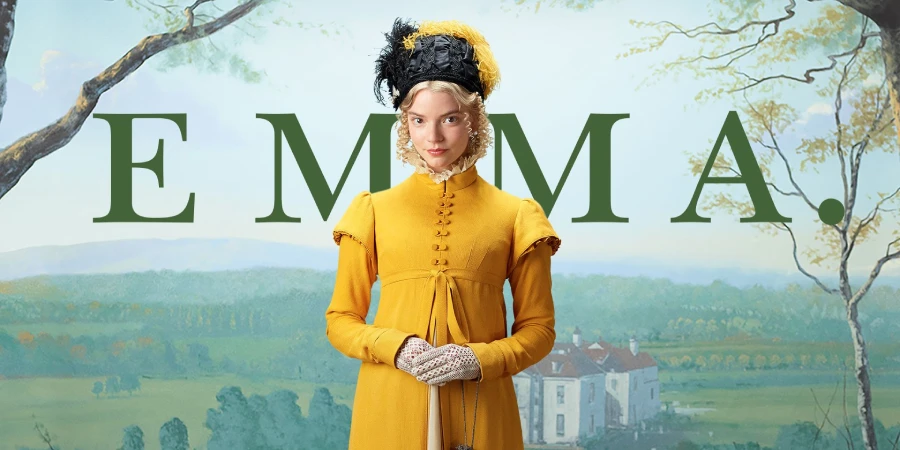

Emma. (2020) is a stylish, witty, and surprisingly sharp adaptation of Jane Austen’s beloved novel. Directed by Autumn de Wilde, the film blends period romance, social satire, and visual elegance, proving that classic literature can still feel fresh, funny, and emotionally relevant.
Detailed Summary
Highbury Society and Emma’s World
Set in the English village of Highbury, the story centers on Emma Woodhouse, a wealthy, confident, and well-meaning young woman who believes she has a special talent for matchmaking. Emma lives comfortably with her anxious father and enjoys a high social standing, giving her both freedom and influence in her small community.
From the beginning, the film establishes Emma as intelligent but dangerously self-assured. She prides herself on never intending to marry and sees romantic manipulation as a kind of social art.
Harriet Smith and the Matchmaking Game
Emma takes the socially awkward and kind-hearted Harriet Smith under her wing, deciding to “improve” her prospects. Ignoring Harriet’s genuine affection for farmer Robert Martin, Emma pushes her toward what she considers a more suitable match.
This storyline exposes one of the film’s core themes: class blindness disguised as kindness. Emma truly believes she is helping, but her interference causes emotional confusion and disappointment.
Mr. Knightley: The Moral Counterweight
Mr. George Knightley, Emma’s brother-in-law and longtime family friend, serves as her moral compass. Unlike others, he challenges Emma’s behavior, pointing out her arrogance and the consequences of her actions.
Their dynamic is full of sharp dialogue, mutual respect, and emotional restraint. While Emma sees herself as superior in romantic matters, Knightley quietly understands human nature far better.
Misunderstandings, Gossip, and Social Faux Pas
As Emma continues to meddle, she misreads romantic signals involving Mr. Elton, Frank Churchill, and Jane Fairfax. Each misunderstanding tightens the narrative and raises the emotional stakes.
A key turning point occurs during a public social gathering where Emma makes an unkind joke at the expense of a poorer character. Knightley’s disappointment forces Emma into her first moment of genuine self-reflection.
Emma’s Self-Awareness Awakens
Gradually, Emma begins to recognize that her confidence has masked selfishness. She realizes she has hurt Harriet, misjudged others, and possibly misunderstood her own feelings.
This emotional awakening shifts the film from playful satire to earned romantic growth, without losing its humor.
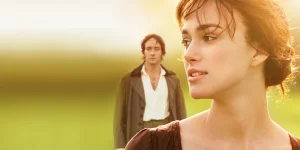
Movie Ending
In the final act, everything Emma believed about love unravels. She realizes that Harriet may actually care for Mr. Knightley, which shocks her into understanding her own feelings. This moment is crucial: Emma finally confronts the idea that she herself is vulnerable to heartbreak.
Mr. Knightley, meanwhile, believes Emma has feelings for someone else and prepares to leave Highbury. When they finally speak honestly, he confesses his love, admitting that he has admired Emma for years despite her flaws.
Emma, now humbled and emotionally honest, returns his feelings. Their confession is quiet, sincere, and deeply satisfying, emphasizing emotional maturity over dramatic spectacle.
The film concludes with two weddings: Emma and Mr. Knightley, and Harriet and Robert Martin. Emma has learned restraint, empathy, and humility, ending the story not as a flawless heroine, but as a wiser and kinder one.
Are There Post-Credits Scenes?
No. Emma. (2020) does not include any post-credits or mid-credits scenes. The story concludes fully within the film’s final moments.
Type of Movie
Emma. is a period romantic comedy-drama that blends sharp social satire with character-driven romance, staying true to Jane Austen’s tone while modernizing its presentation.
Cast
- Anya Taylor-Joy as Emma Woodhouse
- Johnny Flynn as Mr. George Knightley
- Mia Goth as Harriet Smith
- Bill Nighy as Mr. Woodhouse
- Josh O’Connor as Mr. Elton
- Callum Turner as Frank Churchill
- Amber Anderson as Jane Fairfax
Film Music and Composer
The score was composed by Isobel Waller-Bridge, whose music enhances the film’s playful elegance. The classical-inspired compositions underline emotional shifts without overwhelming the dialogue, perfectly matching the refined yet ironic tone.

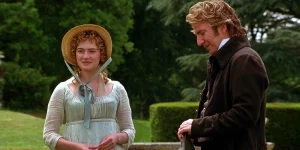
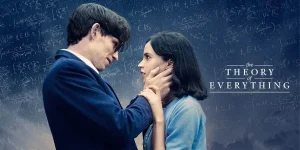
Filming Locations
The movie was filmed across England, including:
- Firle Place (East Sussex) – Used as Hartfield, Emma’s home, reinforcing her wealth and control.
- Wilton House (Wiltshire) – Provided grand interiors symbolizing social hierarchy.
- Lower Slaughter (Gloucestershire) – Represented the picturesque village of Highbury.
These locations are essential in visual storytelling, emphasizing class divisions, intimacy, and isolation within social privilege.
Awards and Nominations
- Nominated for Academy Award – Best Costume Design
- BAFTA nominations for Costume Design and Production Design
- Widely praised by critics for visual style and performances
Behind the Scenes Insights
- Autumn de Wilde approached the film with a fashion-photography mindset, influencing its bold color palette.
- Costumes were designed to reflect Emma’s emotional state, becoming softer as she matures.
- Bill Nighy improvised several comedic moments, particularly his physical comedy.
- The production avoided heavy CGI, favoring practical sets and natural lighting.
Inspirations and References
- Based on Jane Austen’s novel Emma (1815)
- Inspired visually by European portrait paintings
- Influenced by classic British period dramas but intentionally modern in pacing and humor
Alternate Endings and Deleted Scenes
No official alternate ending has been released. Some minor character scenes were trimmed to maintain pacing, particularly involving extended social gatherings and secondary gossip exchanges.
Book Adaptations and Differences
The film remains largely faithful to the novel but:
- Emphasizes visual storytelling over internal monologue
- Adds subtle physical comedy not present in the book
- Modernizes emotional beats to feel more immediate for contemporary audiences
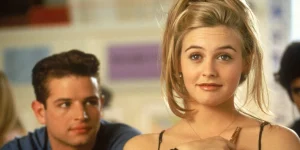
Memorable Scenes and Quotes
Key Scenes
- Emma’s disastrous matchmaking advice to Harriet
- The tense picnic confrontation where Emma’s cruelty is exposed
- Mr. Knightley’s heartfelt confession in the garden
Iconic Quotes
- “If I loved you less, I might be able to talk about it more.” – Mr. Knightley
- “I always deserve the best treatment because I never put up with any other.” – Emma Woodhouse
Easter Eggs and Hidden Details
- Costume colors subtly track Emma’s emotional development
- Background extras often react silently to Emma’s behavior, reinforcing social judgment
- Many compositions mirror Regency-era paintings
Trivia
- Anya Taylor-Joy studied Austen’s language rhythm to maintain authenticity
- Johnny Flynn also contributed music ideas during production
- The film was shot in chronological order to support emotional continuity
Why Watch?
If you enjoy intelligent romance, sharp dialogue, and character growth, Emma. offers a visually luxurious and emotionally satisfying experience. It’s a rare adaptation that respects its source while confidently reinterpreting it.
Director’s Other Movies
- Emma. (2020) is her feature film directorial debut
Recommended Films for Fans
- Pride & Prejudice (2005)
- Sense and Sensibility (1995)
- Little Women (2019)
- Love & Friendship (2016)
- The Favourite (2018)