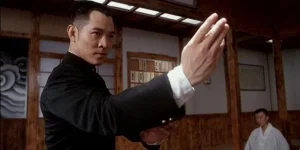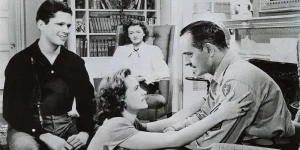

When an actor lifts an Oscar and thanks the Academy, they rarely mention the person who put them in that room. Behind every winning performance stands a casting director who saw potential, took a risk, and matched the right talent to the right role. These industry professionals shape the films we love, yet their contributions often go unrecognized during awards season.
The casting director role extends far beyond scheduling auditions. These experts identify talent, negotiate with agents, and convince studios to take chances on unconventional choices. Their decisions can make or break a film’s success, yet mainstream audiences rarely know their names.
What Does a Casting Director Actually Do?
Casting directors serve as the bridge between a filmmaker’s vision and the talent pool. They read scripts, break down character requirements, and create lists of potential actors for every role. This process involves extensive research, industry knowledge, and an intuitive understanding of performance capabilities.
Moreover, they coordinate the entire audition process. Casting professionals schedule readings, prepare sides, and create an environment where actors can deliver their best work. They also manage callbacks, chemistry reads, and screen tests that help directors make final decisions.
The financial aspects fall under their purview as well. Budget constraints often dictate casting choices, and these professionals must balance artistic vision with economic reality. They negotiate preliminary deals and ensure projects remain financially viable while securing top-tier talent.



The Art of Recognizing Oscar-Worthy Performances
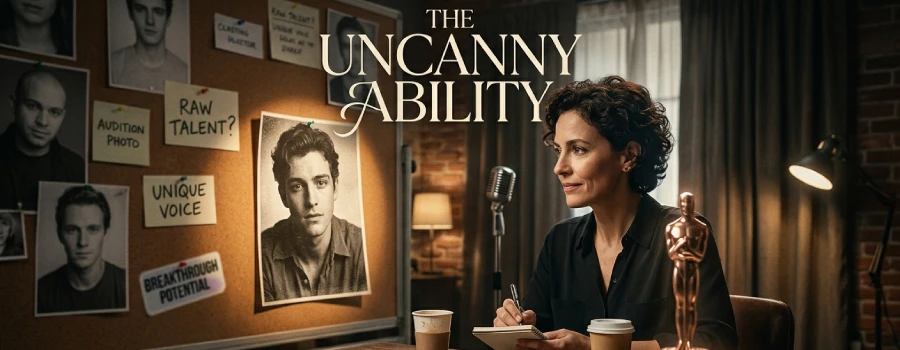
Great casting directors possess an uncanny ability to spot potential before anyone else does. They often champion unknown actors for major roles, seeing qualities that others miss. This intuition requires years of experience watching auditions, studying performances, and understanding what makes certain actors click with specific material.
Consider the casting professional who suggested an unknown actor for a lead role that later won Academy recognition. Such decisions involve tremendous risk. Studios prefer established names with proven box office appeal, yet breakthrough performances often come from unexpected choices.
Reading Between the Lines
The casting director role in film production requires reading actors beyond their resume. A performer might lack the obvious qualities listed in a character breakdown but possess an indefinable something that brings depth to a role. Consequently, casting experts must advocate for their instincts against safer, more conventional options.
They also recognize when an actor’s personal journey aligns with a character’s arc. Life experience informs performance in subtle ways that technical training cannot replicate. Skilled casting professionals identify these connections and use them to elevate material.
Famous Oscar Winners and Their Casting Stories
Many Academy Award-winning performances resulted from casting directors fighting for their choices. Agents, producers, and directors often have different preferences, yet the casting professional must navigate these competing interests while staying true to the project’s needs.
Some winning actors were considered too young, too old, or too unconventional for their Oscar-winning roles. Casting directors championed these performers anyway, recognizing that perfect casting transcends traditional thinking. Their persistence paid off with performances that defined careers and won cinema’s highest honor.
Building Ensemble Chemistry
Individual talent matters, but casting directors in Hollywood must also consider how actors work together. Chemistry reads test whether performers spark off each other or fall flat. An ensemble cast requires careful balance, with each actor complementing rather than competing with their scene partners.
Furthermore, they think about on-set dynamics during long production schedules. Professional compatibility affects performance quality and production efficiency. Smart casting choices create collaborative environments where everyone elevates their work.
Why Don’t Casting Directors Get More Recognition?

The Academy Awards introduced a casting director achievement award category relatively recently compared to other technical categories. For decades, these professionals worked without formal recognition from the industry’s most prestigious ceremony. Several factors contribute to this historical oversight.
Casting work happens early in production, long before a film generates buzz. Additionally, the results of excellent casting often appear effortless. When an actor seems perfectly suited to a role, audiences assume it was obvious casting rather than recognizing the expertise required to make that match.
The collaborative nature of filmmaking also obscures individual contributions. Directors receive credit for working with actors, while producers get recognition for assembling talent. Meanwhile, the professional who initiated those collaborations remains in the background.
Industry Organizations Fighting for Recognition
Professional groups like the Casting Society of America work to elevate the profile of casting directors and Oscar recognition. They host their own awards ceremonies, publish educational materials, and advocate for greater acknowledgment within the industry. These efforts slowly shift perceptions about the importance of casting expertise.
Other industry awards have begun recognizing casting achievement. Independent film festivals and critics’ associations now include casting categories, signaling growing appreciation for this crucial role. However, mainstream recognition still lags behind the actual impact these professionals have on cinematic excellence.
The Business Side of Oscar-Worthy Casting
Commercial considerations complicate the casting director role in award-winning films. Studios invest millions in productions and want bankable stars who guarantee audience interest. Casting directors must balance these financial pressures with artistic integrity, finding solutions that satisfy both creative and business needs.
International markets influence casting decisions as well. Certain actors boost foreign box office performance, making them attractive choices regardless of their suitability for specific roles. Skilled casting professionals navigate these constraints while protecting the project’s artistic vision.
Negotiating the Impossible
Landing desired actors involves complex negotiations with agents, managers, and lawyers. Casting directors often initiate these conversations, pitching roles and gauging interest before formal offers. Their relationship-building skills and industry connections prove essential for securing top talent.
Schedule conflicts create additional challenges. A perfect actor might be committed to another project during production dates. Creative solutions like adjusting shooting schedules or reconfiguring roles sometimes emerge from casting department ingenuity.
Celebrating the Architects of Cinematic Magic
Every Oscar-winning performance begins with someone recognizing potential and creating opportunity. Casting directors shape the films that define our cultural conversations, yet they rarely share the spotlight with the talent they discover. Their expertise transforms words on a page into unforgettable cinematic moments.
Next time you watch an Academy Award ceremony, remember the casting professionals who made those performances possible. Their vision, persistence, and industry knowledge create the magic we celebrate on screen.
Start noticing casting in the films you watch. Pay attention to how perfectly actors embody their characters, and consider the expertise required to make those matches. Share your appreciation for exceptional casting on social media and in conversations with fellow cinephiles. These unsung heroes deserve recognition for their invaluable contributions to cinema.